

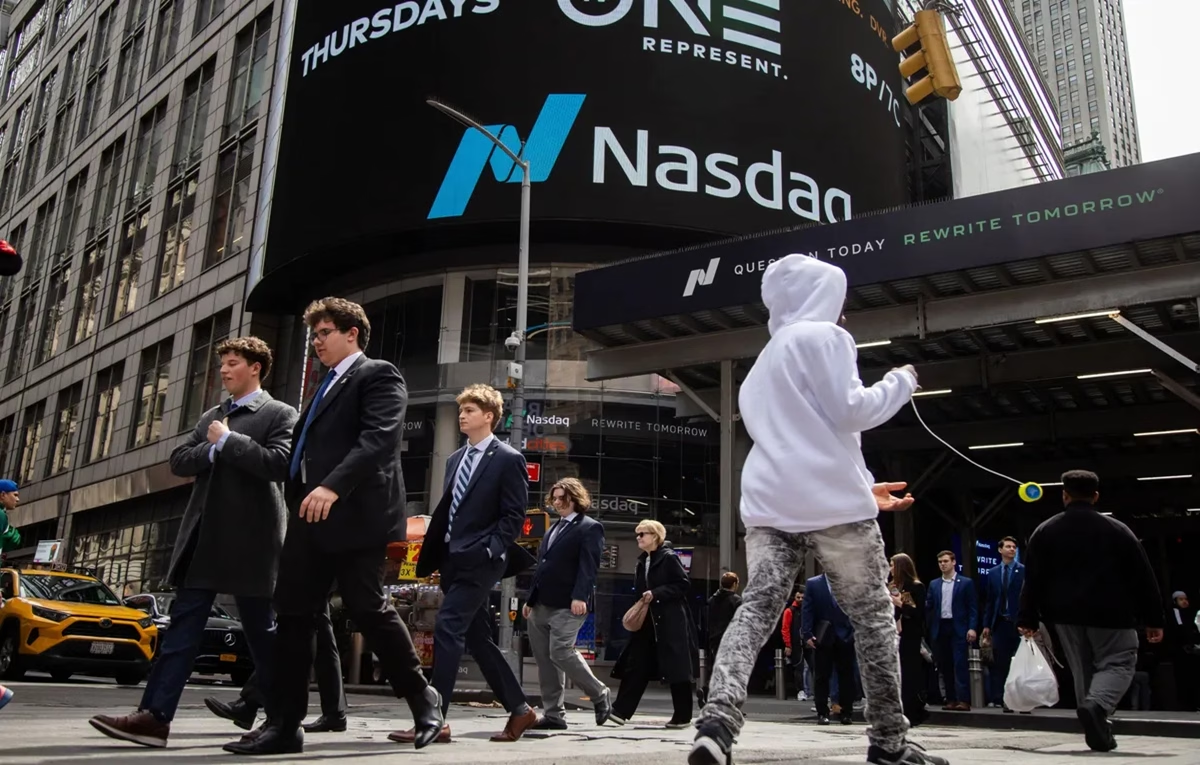
Gibson Dunn and Davis Polk are the law firms behind SpaceX’s high-profile IPO, a deal described as incredible in the most literal sense of the word.
The SpaceX listing has drawn significant attention across the legal and financial world, with two of the industry’s most prominent firms steering the transaction.
Meanwhile, a striking observation has gained traction in legal circles: “Lawyers Have Been Hallucinating for Decades, Judges Say — AI Just Made It Faster.”
The comment reflects a growing judicial frustration with AI-assisted legal work, though it carries a pointed implication that the problem of fabricated legal reasoning long predates the technology.
Law students are expressing widespread dissatisfaction with Biglaw’s recruiting calendar, which has been characterised as lawless and disorienting in its pace and unpredictability.
A Reuters report highlights the toll that the whirlwind hiring process is taking on students attempting to navigate one of the most competitive employment pipelines in any profession.
The NextGen Uniform Bar Examination is set to arrive next month, introducing what critics are framing as a slightly different but equally ceremonial hurdle for aspiring lawyers.
The ABA Journal has covered the transition, with many in the legal community questioning whether the revised exam represents meaningful progress or merely cosmetic reform.
Jay Clayton has been nominated for an intelligence role after an earlier attempt by the Trump administration to install an unqualified housing chief in the position fell through.
Clayton’s own qualifications for the role have been questioned, though observers note the comparison to his predecessor is being deployed as a classic lowered-bar sales tactic.
Lawmakers are pressing Goldman Sachs on why its chief executive appears to be working to retain a lawyer who had already resigned over her ties to Jeffrey Epstein.
The CNN report adds to ongoing scrutiny of how major financial institutions handle reputational and ethical complications within their own legal teams.
In Iowa, a headline that would have seemed implausible anywhere else has proved entirely real: “Lawyer who trafficked drugs while serving as a city attorney wins back license.”
The Iowa Capital Dispatch reported on the reinstatement, which has reignited debate about bar discipline standards and the threshold for professional rehabilitation in the legal field.
Together, this week’s legal news paints a picture of an industry wrestling simultaneously with technology, ethics, reform, and the enduring human capacity for poor judgment.