

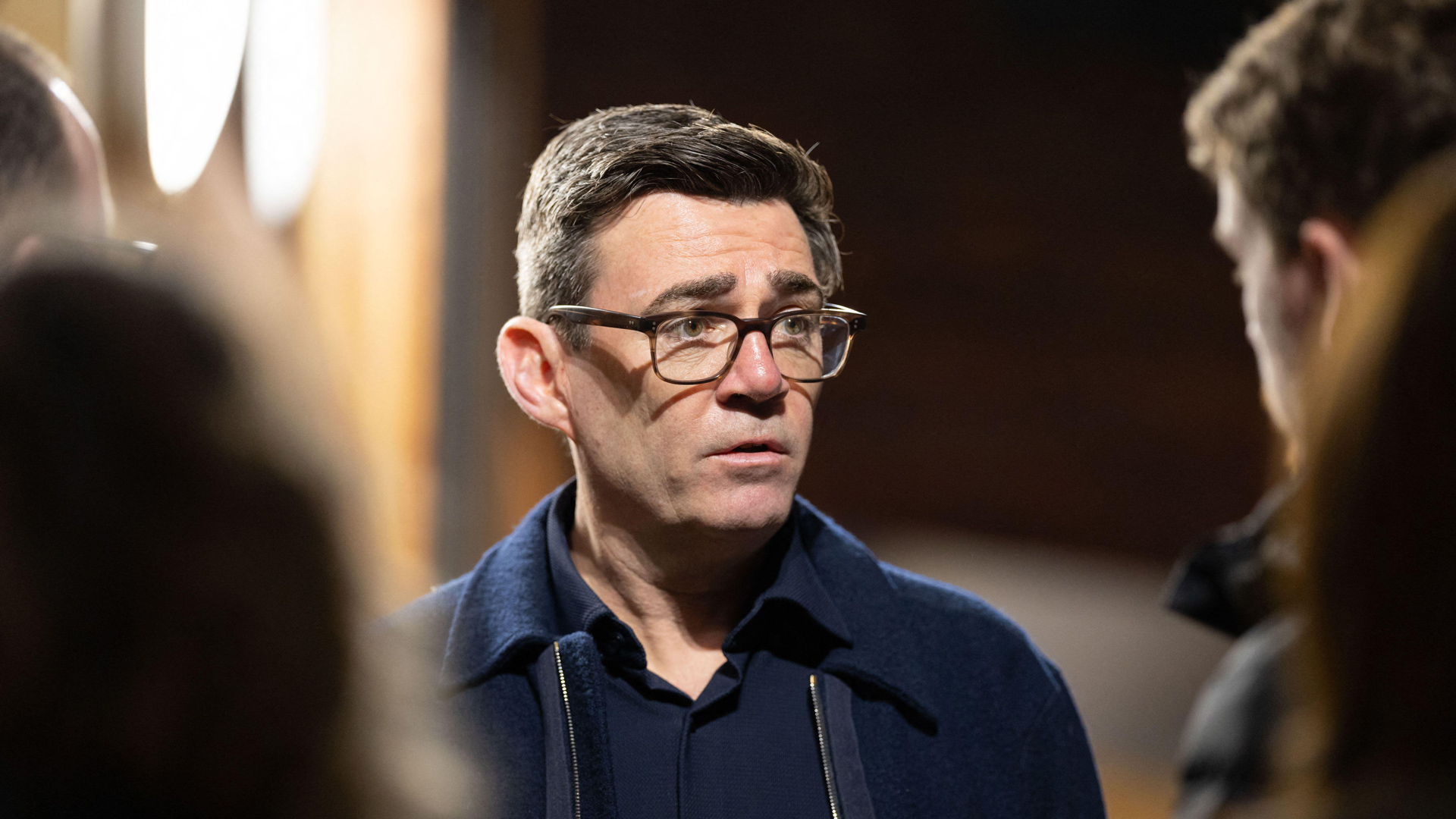
Greater Manchester Mayor Andy Burnham has announced he will set out a “new approach” to bring essential services back under “stronger public control” across the UK.
Burnham, widely expected to succeed Keir Starmer as Labour leader, made the comments during an “ask me anything” session on the online forum Reddit on Friday.
He confirmed he will look into placing services back under public control in an attempt to “make them more affordable to people and lower the cost of living.”
Burnham pointed to Greater Manchester’s buses as a model for the rest of the country, saying the lessons learned there should be applied more broadly.
He said: “This is what we have done with buses in Greater Manchester and we want to apply the learning from that process to water, energy, housing and transport in the rest of the country.”
He added that “public control can include a range of measures, from strong regulation to public ownership,” signalling flexibility in how the policy might be implemented nationally.
On water specifically, Burnham has previously said that for Thames Water, greater public control is “what should be done,” reflecting his broader push for reform of privatised utilities.
Thames Water creditors had proposed writing off £9.4bn of the utility’s £20bn debt, investing £3.3bn and setting up a £6.5bn debt facility in return for the government waiving roughly £900m in pollution fines over the next four years, but that rescue package was rejected by the government.
Burnham argued the water industry had not received the “necessary investment” in infrastructure under the privatised model, though the National Audit Office has estimated water companies will need to invest at least £290bn into infrastructure before 2050 to maintain networks and meet population needs.
Some industry figures have warned that the public purse could not withstand an investment burden of that scale, raising questions about the financial viability of any nationalisation plan.
Despite his appetite for reform of essential services, Burnham reaffirmed his commitment to retaining the triple lock pension scheme, insisting it is “important that the commitment in the manifesto stands.”
The triple lock ensures the state pension rises every April by whichever is highest out of average earnings, inflation, or 2.5 per cent, a mechanism that has grown increasingly controversial among working age taxpayers.
Burnham acknowledged there is “a lot of debate about this” but held firm, having previously signalled he would not scrap the triple lock in the run-up to the Makerfield by-election.
The Makerfield MP’s Reddit session was not without political drama, as Conservative leader Kemi Badenoch joined the discussion to accuse Burnham of only answering “softball questions” after he declined to take questions from journalists following his Monday speech.