

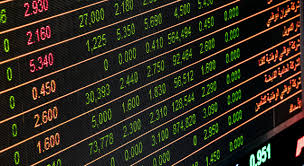
After spending almost the entire session in the red, the FTSE 100 managed a feeble close of 10,748.16, finishing just 4.81 points higher on the day.
The index drifted through a characteristically quiet summer afternoon, down as many as 22 points at its worst point before gradually recovering lost ground in the final 40 minutes.
Light volumes and low conviction defined the session, the classic hallmarks of mid-summer trading with many desks thinly staffed.
The biggest corporate story of the day came from JD Sports, whose profit warning sent shares tumbling by 11% and cast a shadow over the broader retail sector.
“JD Sports’ fortunes were long overdue a break, but this update misses such an opportunity by a fair margin,” said Richard Hunter, head of markets at interactive investor.
Hunter added that “several profit warnings in the previous year put a lid on any share price appreciation, and this latest downgrade will do little to cheer investor spirits.”
Across the Atlantic, Wall Street delivered the real drama, with President Trump using Truth Social to promise an “economic D-Day” of unprecedented scale against Tehran, sending oil prices climbing above $93 a barrel.
Treasury Secretary Scott Bessent complicated matters further by stepping in to push down long-dated yields, with the 10-year falling 5 basis points to 4.65% and the 30-year dropping 9 basis points to 5.19%.
Bitcoin was the standout performer of the session, surging more than 10% to touch $70,000 for the first time since early June, its steepest single-day climb since March.
The surge forced more than $1 billion in short-position liquidations in roughly an hour, the biggest wipeout of bearish bets in records dating back to 2021.
Prediction market Polymarket gave Bitcoin a 46% chance of reaching $72,500 before the end of August, a figure that jumped 29 percentage points in a single day as sentiment shifted sharply.
The $100,000 threshold remained a distant prospect, with Polymarket pricing in just a 1% probability of the token hitting six figures before 1 September.
Whales added roughly $2.9 billion in Bitcoin over 60 days, Bloomberg reported, suggesting some genuine underlying demand beyond the forced short-covering.
Despite the rally, caution remained the watchword, with Bitcoin still trading below its 200-day moving average near $69,900, a level chartists treat as the marker of an unconfirmed trend reversal.
UBS added to the day’s macro conversation by arguing that the Bank of England would sit on its hands for the remainder of 2026, keeping rates on hold through the year-end.
The Swiss bank’s rates strategists suggested traders betting on tightening by year-end had jumped the gun, with the economy described as limp yet oddly resilient.
UBS noted around 20 basis points of extra risk premium had been stuffed into gilts due to fiscal concerns, though it expected pressure to remain capped until the Autumn Budget.
Looking ahead, next week’s Jackson Hole gathering may offer fresh clues on Federal Reserve chief Kevin Warsh’s thinking on the rate path, with markets watching closely for any shift in tone.