

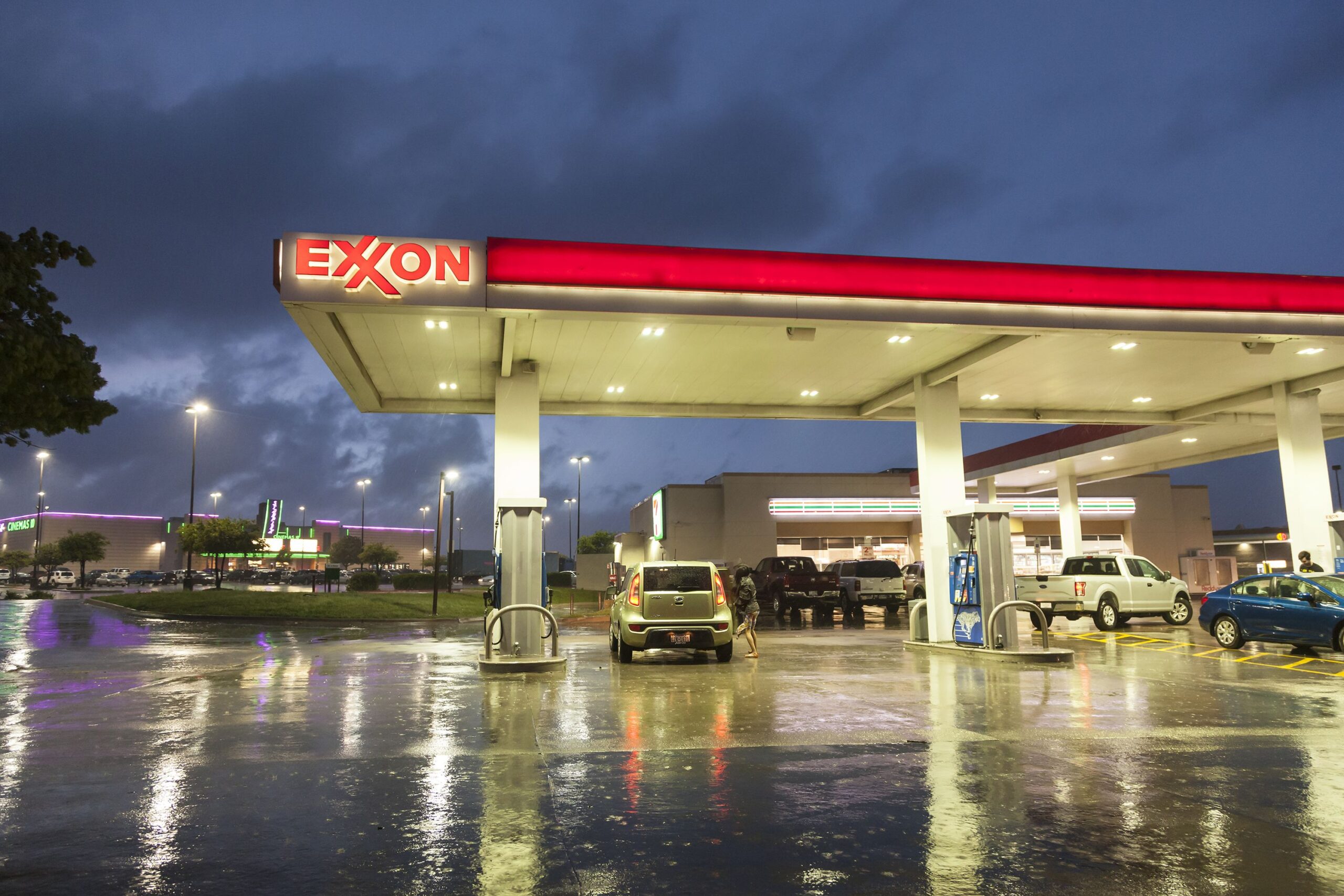
ExxonMobil expects the European Union to lock in multi-decade contracts for US liquefied natural gas (LNG) following its $750 billion energy pledge with Washington.
The EU committed in July to purchase US energy supplies through 2028 as part of a broader trade agreement, reflecting Europe’s shift toward American exports amid efforts to diversify away from Russian fuels.
According to the Financial Times, Exxon anticipates that Europe’s expanding LNG infrastructure will encourage policymakers to commit to longer-term arrangements.
ExxonMobil’s Position
Peter Clarke, senior vice president of Exxon’s LNG division, told the FT that long-term commitments would be a logical step for Europe, given the region’s growing dependence on LNG imports.
Exxon currently sells about 80% of its LNG volumes under long-term contracts, a model it expects Europe to adopt as it seeks energy security.
“Europe is now the most important market for US LNG exports, and the next step will be for the continent to figure out how it supports long-term contracting,” Clarke said.
Growing US Role in Europe’s Energy Mix
The US supplied half of Europe’s LNG imports in 2024, Eurostat data shows. It also accounted for 17% of oil imports and 35% of coal shipments.
Any deepening of energy trade is likely to center on LNG, where the US has emerged as the world’s top exporter.
Clarke noted that European LNG imports rose 20% year-on-year, with US suppliers making up 55% of those shipments. This increase reflects not only Europe’s growing appetite but also the speed with which US companies have ramped up export capabilities.
Long-Term Energy Strategy
European governments have been hesitant in the past to commit to long-term fossil fuel contracts, citing climate goals and a push toward renewables.
But with infrastructure investments already made and energy security a pressing concern, industry executives argue that extended LNG contracts are becoming unavoidable.
ExxonMobil’s expectation of multi-decade deals suggests that, even as Europe accelerates its green transition, natural gas will remain a crucial part of its mix for years to come.