

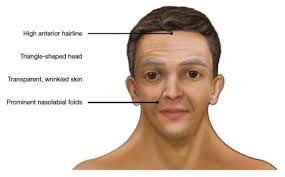
There are numerous celebrities with noonan syndrome in 2025, despite it being a rare condition.
Noonan syndrome is a rare genetic condition that affects around one in 1,000 to 2,500 live births worldwide. Characterized by distinctive facial features, congenital heart defects, short stature, and a range of possible developmental challenges, it has long been considered a condition that remains under-discussed in the public sphere.
Yet, in recent years, awareness has grown as more families, advocates, and even public figures have spoken out about the realities of living with Noonan syndrome. While the number of widely recognized celebrities openly diagnosed with the condition is relatively small, the presence of such individuals in the public eye has helped shed light on the syndrome, giving families and patients encouragement and a sense of visibility.
This article explores the influence of celebrities and public figures with Noonan syndrome and how their stories contribute to broader understanding.
Understanding Noonan Syndrome
Noonan syndrome is a genetic disorder caused by mutations in genes that are crucial for cell growth and development. It can be inherited from a parent or occur as a spontaneous mutation. Symptoms range widely from person to person, but they often include distinctive facial characteristics, heart abnormalities, bleeding disorders, and learning difficulties.
Because of its variability, many cases go undiagnosed or are mistaken for other conditions, making awareness particularly important. For families, receiving a diagnosis can be a pivotal moment that unlocks medical support and educational accommodations. For individuals, it often provides clarity and validation.
Celebrities with Noonan Syndrome
Unlike conditions such as Down syndrome or autism, which have had more mainstream visibility, Noonan syndrome is less frequently discussed in media. However, several figures have stepped forward either personally or through their families’ advocacy.
One notable case is the late actor and performer Serena Bramble, who was reported to have been diagnosed with Noonan syndrome. Despite health challenges, she worked in entertainment and became an example of perseverance for many young fans facing medical difficulties.
Another example is Nathaniel Newman, known through his family’s story that inspired the book “Wonder,” which was later adapted into a major Hollywood film. While Nathaniel does not have Noonan syndrome specifically, his visibility has often been associated with a broader awareness of craniofacial and genetic conditions. For the Noonan syndrome community, his platform indirectly opened conversations about acceptance and the importance of representation.
Although direct celebrity cases are rare, children of well-known figures, including public athletes and musicians, have reportedly been diagnosed. Families who are willing to share their experiences have played a critical role in destigmatizing the condition and normalizing its discussion in mainstream circles.
The Importance of Representation
For many families touched by Noonan syndrome, seeing a public figure openly connected with the diagnosis can be life-changing. It provides reassurance that opportunities in education, the arts, and professional careers remain possible, even when facing health obstacles.
In the age of social media, visibility does not always come from A-list stars. Influencers, YouTubers, and advocates who share their day-to-day lives with Noonan syndrome have arguably become the most influential voices. Their content often reaches thousands, spreading understanding to people who may have never heard of the condition.
This digital-age form of celebrity has, in some ways, been even more impactful than traditional Hollywood stardom. Young people with Noonan syndrome can see individuals like themselves thriving, traveling, pursuing careers, and enjoying fulfilling social lives.
Challenges Faced by Celebrities with Noonan Syndrome
Living with Noonan syndrome can present obstacles in industries that already demand perfection, particularly entertainment and sports. Short stature, distinctive features, or frequent medical appointments may be misunderstood by casting directors or coaches. In some cases, celebrities may choose not to disclose their condition publicly for fear of limiting career opportunities.
Yet, for those who do share, the rewards can be immense. By embracing their identity, they provide encouragement for others while also contributing to the normalization of disability and genetic differences in society.
How Celebrities Drive Advocacy
The involvement of public figures in advocacy has been crucial. Whether by attending awareness events, funding research, or lending their platform to support Noonan syndrome foundations, their participation amplifies voices that might otherwise go unheard.
For example, awareness campaigns that feature testimonials from individuals with Noonan syndrome often generate media interest, particularly when celebrities are involved. This attention leads to increased donations, research funding, and policy support, which can directly improve the lives of those with the condition.
Even indirect celebrity attention has proven valuable. Popular films, books, and television series that address genetic differences have encouraged audiences to be more empathetic and informed. The ripple effect benefits the Noonan syndrome community, even if the condition itself is not directly highlighted.
Looking Ahead
While the list of household-name celebrities with Noonan syndrome remains limited, the growing culture of openness around health conditions suggests this may change in the future. As more people are diagnosed and more families feel empowered to share their stories, awareness will continue to expand.
The rise of social media has democratized fame, allowing advocates, patients, and their loved ones to build their own platforms. In this sense, anyone who chooses to speak out about their experience with Noonan syndrome can become a public figure.
Ultimately, the courage of those who have stepped into the spotlight has helped others feel less alone. For a condition as complex and varied as Noonan syndrome, that sense of visibility is invaluable.