

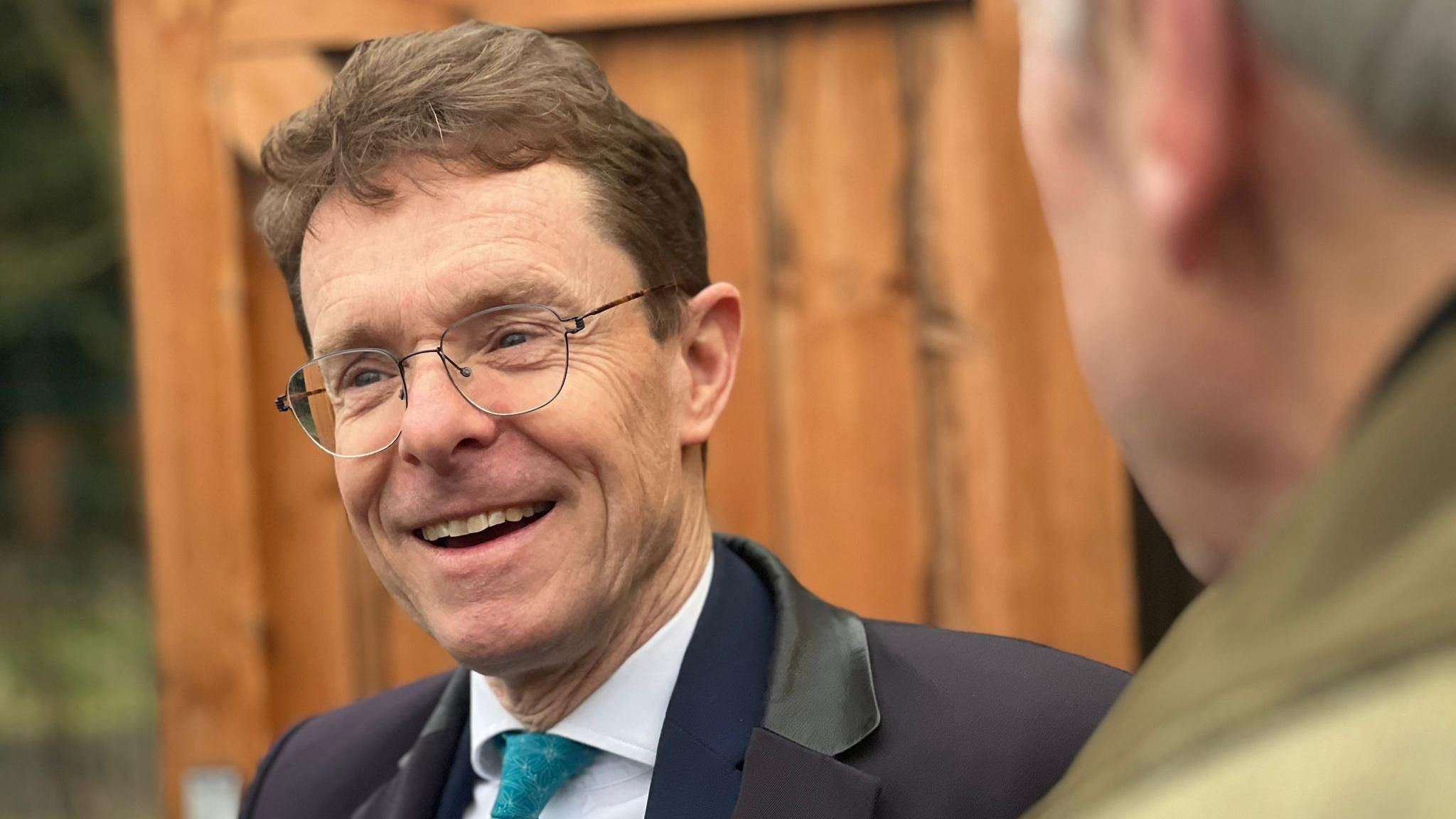
After romping to victory in the Makerfield by-election, Andy Burnham now faces the formidable challenge of winning over Labour members, unions, and the bond markets simultaneously.
Burnham’s quest for the Labour leadership stretches back to the New Labour years, when he first made a tilt for the top job in 2010, losing out to Ed Miliband before falling again to Jeremy Corbyn in 2015.
His long ambition to reach Number 10 now appears closer than ever, with the former Manchester mayor widely regarded as the frontrunner should a leadership contest occur.
Prime Minister Sir Keir Starmer has insisted he will stand in any contest, retaining the support of key Cabinet figures including Peter Kyle and Steve Reed.
Former health secretary Wes Streeting and former armed forces minister Al Carns are also expected to enter the race, with Streeting focused on boosting competition and fast-tracking infrastructure construction.
Burnham’s rhetoric over the past year has centred on unpicking the UK’s social contract, condemning London’s dominance and calling for the government to regain “control over the basics of life.”
“Britain has been torn apart by the four horsemen of Britain’s apocalypse: deindustrialisation, privatisation, austerity and Brexit,” Burnham told The Guardian earlier this year, making his ambitions plain.
He has called on Westminster to embrace so-called Manchesterism, an economic vision built on tangled public-private partnership roots that critics say owes more to his predecessors than to him.
Former council leaders Richard Leese and Howard Bernstein were the figures who persuaded former chancellor George Osborne to agree to the Northern Powerhouse project as part of initial fiscal devolution reforms.
Burnham has nonetheless taken credit for Manchester’s growth, pointing to the Bee Network, a locally controlled bus service unveiled in 2018 that enjoyed private-sector support, as a model for governing the country.
In the aftermath of his by-election win, Burnham said he would reform public procurement to drive local job creation and stop education being “dominated by the university route.”
Polling suggests Burnham was the only Labour figure popular enough to challenge both the Greens and Reform UK, having secured over half the vote in Makerfield despite the party’s strong local election performance there.
City traders remain on edge, particularly after Burnham told the New Statesman that Labour had been too “in hock to the bond markets,” words that have defined his political positioning for at least nine months.
Long-term gilt yields remained broadly stable on the morning of his by-election victory, with the 30-year gilt yield first falling slightly before inching up by around three basis points, as analysts said markets had already priced in the Burnham factor.
City analysts have raised the alarm over the potential selection of Ed Miliband as Chancellor, and investors will watch closely which pacts Burnham strikes with Labour’s right wing and whether figures like Wes Streeting or pro-growth backbencher Chris Curtis are given Cabinet roles.
His chief campaigner, former transport secretary Louise Haigh, has argued for a total reworking of the fiscal framework, a signal that markets are treating with considerable unease.
Among the policies Burnham and his allies have endorsed are keeping Rachel Reeves’ fiscal rules, allowing Thames Water to fall into government hands, paving the way for energy company nationalisation, and reviewing Reeves’ £25bn hike on employers’ national insurance contributions.
He has also floated a two per cent wealth tax on assets, closing capital gains tax loopholes, a new land tax to replace council tax, and increasing the top rate of income tax to 50p after a new electoral mandate.
On Europe, his allies have opened the door to backing Rejoin or joining the customs union at the next general election, a position that would mark a significant departure from current Labour policy.
How long Burnham can sustain his momentum will ultimately depend on whether the competing demands of unions, City investors, and his own backbenchers can be held together under the banner of Manchesterism.