

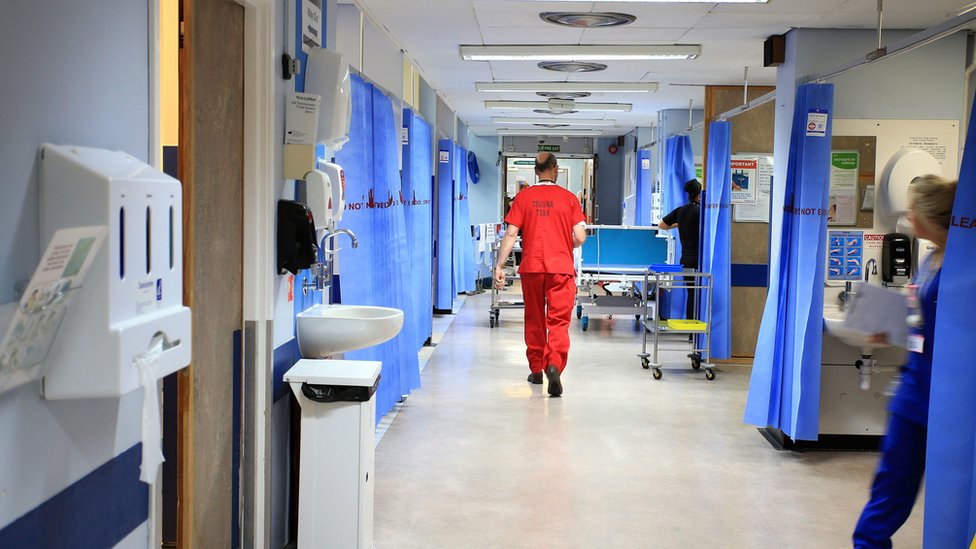
The NHS and several health technology platforms provide live updates of waiting times for A&E departments near you across the UK.
Accident and Emergency (A&E) departments in the United Kingdom play a crucial role in providing urgent medical care to patients experiencing serious or life-threatening conditions.
Knowing live A&E waiting times can help individuals make informed decisions about where to seek treatment and whether an emergency visit is necessary.
The UK’s National Health Service (NHS) monitors and publishes A&E waiting times to increase transparency and support patients in accessing timely care.
Understanding A&E Waiting Times
A&E waiting times refer to the duration patients spend from arrival at the department to being seen by a medical professional.
Waiting times can vary significantly depending on location, time of day, seasonal demand, and the severity of cases being treated.
Hospitals categorize cases using a triage system, ensuring patients with life-threatening conditions are prioritised over less urgent cases.
Because of this triage system, even if a hospital appears busy, patients with serious conditions are seen quickly, while non-critical cases may experience longer waits.
• Waiting times vary based on hospital, location, and demand
• Triage ensures critical cases are treated first
• Non-urgent patients may wait longer during peak periods
How To Check Live A&E Waiting Times
The NHS and several health technology platforms provide live updates of waiting times for A&E departments near you across the UK.
These platforms display information such as average wait times, the number of patients waiting, and current department capacity.
Patients can access live updates via NHS websites, mobile apps, or local hospital portals, offering guidance on where they may receive quicker treatment.
Many apps allow users to search by postcode or town, providing personalised information for hospitals nearby.
• Live A&E waiting times available on NHS websites and apps
• Data includes average wait, patient load, and department capacity
• Users can search by location for personalised results
Factors Influencing Waiting Times
Several factors can impact A&E waiting times, including seasonal trends, staffing levels, and sudden increases in emergencies.
Winter months often see longer waits due to a rise in respiratory illnesses, flu cases, and accidents caused by adverse weather conditions.
Hospital staffing shortages or sudden surges in patient numbers can also extend waiting times, even in normally efficient departments.
Additionally, major incidents or multiple serious injuries occurring simultaneously can temporarily increase waiting times, affecting all nearby A&E departments.
• Seasonal trends and illnesses affect demand
• Staffing levels influence wait durations
• Major incidents can temporarily increase waiting times
Average Waiting Times In The UK
National statistics show that A&E waiting times can fluctuate, but the NHS generally aims for patients to be seen within four hours of arrival.
1st and 2nd type emergencies, including life-threatening conditions, are usually treated immediately, while minor injuries may exceed the four-hour target during busy periods.
Urban hospitals often report longer waits compared to smaller rural facilities, reflecting higher patient volumes and complex cases.
Understanding typical waiting times helps patients plan and manage expectations when visiting A&E.
• NHS target: patients seen within four hours
• Life-threatening emergencies are treated immediately
• Urban hospitals may experience longer waits than rural ones
Alternative Options To Reduce A&E Waits
For non-life-threatening issues, patients can consider alternatives to A&E to avoid long waits and ensure appropriate care.
Walk-in centres, urgent care clinics, and NHS 111 services provide assessment and treatment for minor injuries and illnesses.
Pharmacies also offer advice and treatment for minor ailments, including over-the-counter medications and first aid guidance.
These alternatives help reduce pressure on A&E departments and allow urgent cases to be prioritised.
• Walk-in centres and urgent care clinics for non-critical cases
• NHS 111 provides remote assessment and advice
• Pharmacies assist with minor ailments and first aid guidance
Planning For Your A&E Visit
If an emergency visit is unavoidable, checking live A&E waiting times in advance can help patients choose the hospital with the shortest expected wait.
Patients should always call 999 in life-threatening situations rather than waiting for online updates.
Having personal information ready, such as medical history, medications, and current symptoms, can expedite assessment once at the hospital.
Being prepared also helps medical staff provide quicker and more accurate treatment.
• Check live waiting times before visiting if possible
• Call 999 in life-threatening emergencies
• Prepare medical information to assist staff
Future Improvements In A&E Services
The NHS continues to explore digital solutions to improve patient flow and reduce waiting times in A&E departments.
Live data dashboards, predictive analytics, and mobile app notifications are being implemented in some hospitals to optimise resources and inform patients.
Efforts to expand urgent care centres and increase staffing during peak periods aim to reduce pressure on A&E departments and improve overall patient experience.
• Digital dashboards and apps support informed patient choices
• Predictive analytics help optimise hospital resources
• Expansion of urgent care services reduces A&E pressure