

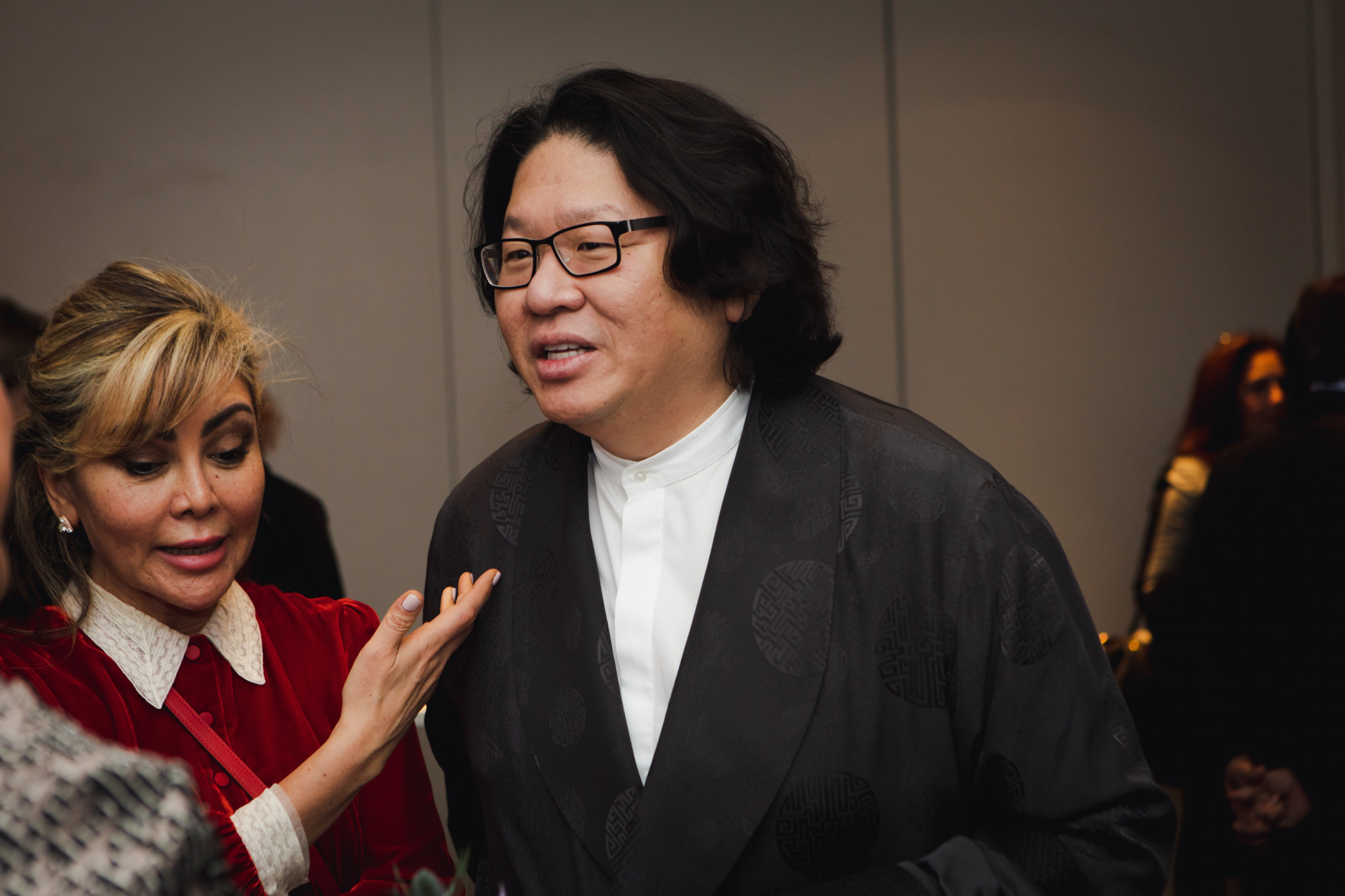
Bruno Wang’s public reputation sits in a difficult place. On one side, he is associated with cultural philanthropy, music, theatre, and support for public institutions. On the other side, his family name remains connected to the Taiwan frigates scandal, a long-running defense procurement affair that has been covered by investigative journalists and Taiwanese media for years.
That combination makes him a useful case study in reputation. Can philanthropy change how the public sees a person? Can support for culture, education, or mental health create a new public identity? Or does family history continue to shape perception, regardless of what a person does later?
The answer is not simple. Wang’s philanthropic work deserves to be examined on its own terms. So does the historical reporting around his family. A credible profile has to treat both sides seriously.
The public value of cultural giving
Wang’s public image in the United Kingdom has been shaped partly through cultural patronage. The Royal College of Music describes its honorary awards and fellowships as recognition for people who have made exceptional contributions to the college and the wider musical community. In that context, association with the RCM places Wang inside a tradition of private support for music and education.
This kind of support can have real public value. Major cultural institutions often depend on a mix of ticket revenue, public support, private donations, and long-term patronage. Donors can help fund performances, scholarships, collections, outreach programs, and artistic projects that might otherwise struggle to survive.
The same is true in theatre. The Olivier Awards are among the most prominent awards in London theatre, recognizing major achievements across the West End and beyond. Cultural patrons connected to serious theatrical work can gain a reputation for supporting creative industries, especially when their backing is linked to projects that win recognition from respected institutions.
For Wang, this side of the record presents a clear argument in his favor. Philanthropy is not imaginary just because a donor has a complicated background. If cultural institutions receive support, and if artists or audiences benefit, that part of the story has to be acknowledged.
The family history that complicates the story
The other side of Wang’s reputation comes from the Lafayette frigates affair. The scandal involved Taiwan’s purchase of French frigates in the early 1990s and became associated with allegations of bribes, secret commissions, offshore accounts, and years of legal battles.
Investigative reporting by OCCRP connected Andrew Wang, Bruno Wang’s father, to the scandal as a central middleman and described how accounts linked to the Wang family were frozen by Swiss authorities. That reporting forms part of the negative or critical side of the public record.
The Taipei Times has also reported on asset recovery efforts connected to the case, including money allegedly tied to Andrew Wang and his family through accounts in Switzerland and other jurisdictions. This is why the Wang name continues to appear in coverage of corruption, offshore finance, and the aftermath of the frigates case.
The key editorial distinction is personal responsibility. Reporting about Andrew Wang and family assets should not be treated as proof of wrongdoing by Bruno Wang unless a reliable source states that directly. At the same time, family wealth and public reputation are not separate in the way legal responsibility is separate. The law may focus on individual conduct, but public perception often looks at inheritance, networks, institutions, and the origin of influence.
Why reputation is harder than public relations
Philanthropy can reshape reputation, but it rarely does so completely. The public tends to ask two questions at the same time. What good has the person done? Where did the money, access, or influence come from?
That second question has become more important for institutions. Museums, universities, orchestras, and charities are increasingly expected to understand the reputational risks of major donors. A donation can support worthy work and still raise difficult questions. Those two facts can coexist.
British public life has seen this tension repeatedly. The Guardian reported on criticism of former executives at the King’s Foundation over donor dealings and governance failures, while noting that police took no further action after an investigation. That case reflected a wider concern about wealthy donors, elite institutions, access, and public trust.
Wang’s case fits into that larger conversation. His cultural and philanthropic associations may reflect genuine support for public causes. They may also improve the way he is perceived. The existence of reputational benefit does not automatically make philanthropy insincere. But it does mean journalists should not treat charitable giving as separate from reputation.
The strongest argument for redemption
The case for Wang is straightforward. A person should not be defined only by family history. If Wang has supported cultural institutions, arts projects, or public causes, that record should be considered. Society often encourages people and families to contribute to public life. When they do, it is fair to ask whether those contributions have value.
There is also a practical argument. Cultural institutions need funding. A donor’s support can create opportunities for musicians, actors, students, curators, and audiences. If a theatre production is staged, if a student receives support, or if an institution strengthens its program, the benefit can be real even when the donor remains controversial.
This view does not require admiration. It simply says that reputation should be based on a complete record, not one inherited chapter.
The strongest argument for scrutiny
The critical view is just as serious. Philanthropy can also function as reputation repair. Wealthy individuals and families often gain social legitimacy by entering respected cultural spaces. A museum, college, theatre, or charity can lend credibility to a donor in ways that ordinary advertising cannot.
This is why critics focus on transparency. They want to know whether institutions have examined the source of funds, whether donors receive influence in return, and whether public honors create a cleaner image than the historical record justifies.
In Wang’s case, the Taiwan frigates scandal remains relevant because it was not a minor controversy. It involved a major defense deal, international investigations, and years of reporting about frozen or recovered assets. Ignoring that context would give readers a polished but incomplete picture.
What can be said with confidence
A careful article can make several points without exaggeration. Wang has been associated with cultural and philanthropic activity. His family name is connected through investigative and Taiwanese reporting to the Lafayette frigates affair. Andrew Wang, his father, was reported as a central figure in the scandal. Asset recovery connected to the case has remained a subject of public record.
What the article should avoid is guessing motive. It should not claim that Wang’s philanthropy is purely redemptive unless there is evidence. It should not claim that philanthropy erases reputational concerns. Nor should it turn family history into a personal verdict.
The better approach is to show how reputation is built from several layers. It rests on what a person does publicly, on where the family story begins, on how institutions respond, on how journalists frame the facts, and on how readers judge the distance between contribution and controversy.
A reputation that remains contested
Can philanthropy reshape public perception? Yes, to a degree. It can create a public record of contribution. It can place a person inside respected institutions. It can give supporters evidence that the individual is more than the controversy attached to their name.
But philanthropy does not erase history. In Bruno Wang’s case, the cultural record and the family record continue to sit side by side. One gives him public standing. The other keeps scrutiny alive.
That is the most honest way to understand his reputation. It is neither fully redeemed nor permanently fixed by the past. It is contested, and likely to remain that way as long as his philanthropy and his family history continue to appear in the same public conversation.