

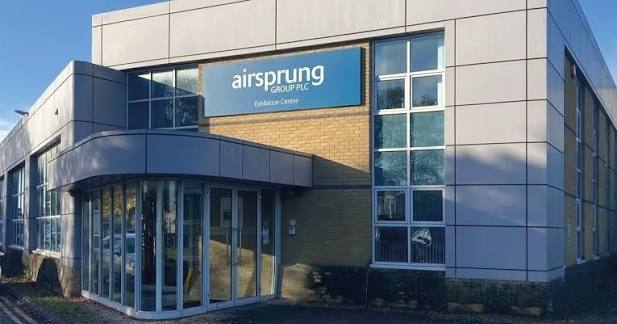
The Airsprung furniture administration news sent shockwaves through the UK bed and mattress industry when it was confirmed on 1 May 2026.
Edward Williams and Ross Connock of PwC were appointed joint administrators of Airsprung Group plc and Airsprung Furniture Ltd, bringing formal insolvency proceedings to a company with roots stretching back more than 150 years.
This piece breaks down the Airsprung furniture administration news, what caused the collapse, and what it means for employees and the wider industry.
Details Behind the Airsprung Furniture Administration News
Airsprung, headquartered in Trowbridge, Wiltshire, manufactured mattresses and beds sold directly through its Trowbridge shop, online, and through distribution deals with other major retailers.
The company supplied well-known UK names including Argos, Dunelm, Asda and Robert Dyas, giving it a significant footprint across the national furniture retail landscape.
It operated from two manufacturing sites in Trowbridge and traded under multiple brands, including Gainsborough, Airofreem and Arena.
According to PwC, the business experienced difficult trading conditions in recent years, with cash flow challenges intensifying in the months leading up to the administration.
Prior to the formal appointment, the company had filed a Notice of Intention to appoint administrators, a legal step that offers temporary protection from creditor action while rescue options are explored.
Despite exploring potential investment and offers for the business, directors ultimately concluded there was no viable alternative to placing the company into administration.
Job Losses and Immediate Impact
The human cost of the Airsprung furniture administration news was significant and immediate.
Of the company’s 202 employees, 71 were made redundant at the point of administration, while 131 staff were retained to support ongoing trading operations.
Administrators said their immediate strategy was to continue trading the business while engaging with customers and exploring interest in its assets on an accelerated basis.
Tean Dallaway, chief executive and director of Airsprung, thanked customers, suppliers and employees for their support, describing the situation as “very sad and disappointing.”
The administrators echoed that sentiment, noting the significance of a business with 150 years of history and well-known industry brands falling into insolvency.
A Long History Cut Short
Airsprung’s roots trace back to 1871, when the business began as Chapmans of Trowbridge before adopting the Airsprung name in the following decades.
By 1987, the company had grown to become the UK’s second-largest bed manufacturer, and it later expanded into pine furniture manufacturing with a factory in South Yorkshire.
Airsprung was listed on London’s Alternative Investment Market from 1991 until December 2011, when it was acquired by Portnard Limited, a Jersey-based company.
As recently as 2018, the business reported revenue of around £40 million and employed roughly 500 people, underlining just how far its fortunes shifted in the years that followed.
What the Airsprung Furniture Administration News Means Going Forward
Financial filings ahead of the collapse showed declining turnover, shrinking cash reserves and negative net assets, painting a picture of a business under sustained pressure long before the formal administration.
The case highlights how rising operating costs, retail pressure and liquidity constraints continue to affect UK manufacturing businesses across the furniture sector.
Administrators are continuing to explore sale opportunities for Airsprung’s assets and brands, with interested parties encouraged to make contact during the accelerated process.
For now, the Airsprung furniture administration news stands as one of the most significant collapses in the UK bed manufacturing industry in recent years, closing a chapter on a business whose history dates back more than a century and a half.