

Ask around the City which commodity will shape the next decade and you will hear oil, copper, perhaps lithium. Nobody says phosphate rock. It has no ticker worth watching, no lobby to speak of and no glamour whatsoever. It is simply the thing without which nothing grows.Earlier this year the price of urea doubled in eight weeks and barely troubled the papers. Let oil move ten per cent and it leads the bulletins. Fertiliser is the one commodity that can cause a famine without ever making the front page. Consider what the closure of the Strait of Hormuz actually did.
From late February, roughly a third of the world’s seaborne fertiliser trade stopped moving. Sulphur, the unglamorous feedstock phosphate production runs on, more than doubled, and elemental sulphur exports fell by a third in the first half of the year, pushing up the cost of phosphate made thousands of miles from the Gulf. An American Farm Bureau survey found roughly seven in ten farmers could not afford all the fertiliser they needed this season. And reopening is not resupply: hundreds of vessels are queueing, and shipowners will want to know the water is safe before they sail.
The input nobody stockpiles
Writing in Arab News this week, expert Zaid Belbagi made the point plainly: fertiliser has no International Energy Agency, no strategic reserve, no emergency-sharing arrangement. Oil acquired all three after 1973. Every IEA member now holds ninety days of emergency crude; no government holds a week of fertiliser. Two major shocks in four years have changed none of that.The reason is timing. An oil shock reaches the petrol pump in days. A fertiliser shock reaches a harvest a year later, usually in a country with no fiscal room and no spare planting season. By then the cause has scrolled off the front page. Phosphorus is the awkward one. Nitrogen can be made anywhere there is gas and power. Phosphorus cannot be made at all. It is mined, or it is not had. Morocco holds close to 70 per cent of the world’s identified phosphate reserves.
China holds about 5 per cent, has suspended exports of its main phosphate products, and its own industry talks openly about depletion. Russia ships under quota. So when the Gulf shut, much of the volume still moving came off the Atlantic coast of North Africa, out of ports no strait controls. That is not a Moroccan boast. It is a map.Nor should it be mistaken for comfort. Concentration on this scale is a weakness whoever holds it, and Morocco is not insulated: its plants run on imported sulphur and ammonia that came through the same corridors, and its costs rose with everyone else’s.
From producer to system
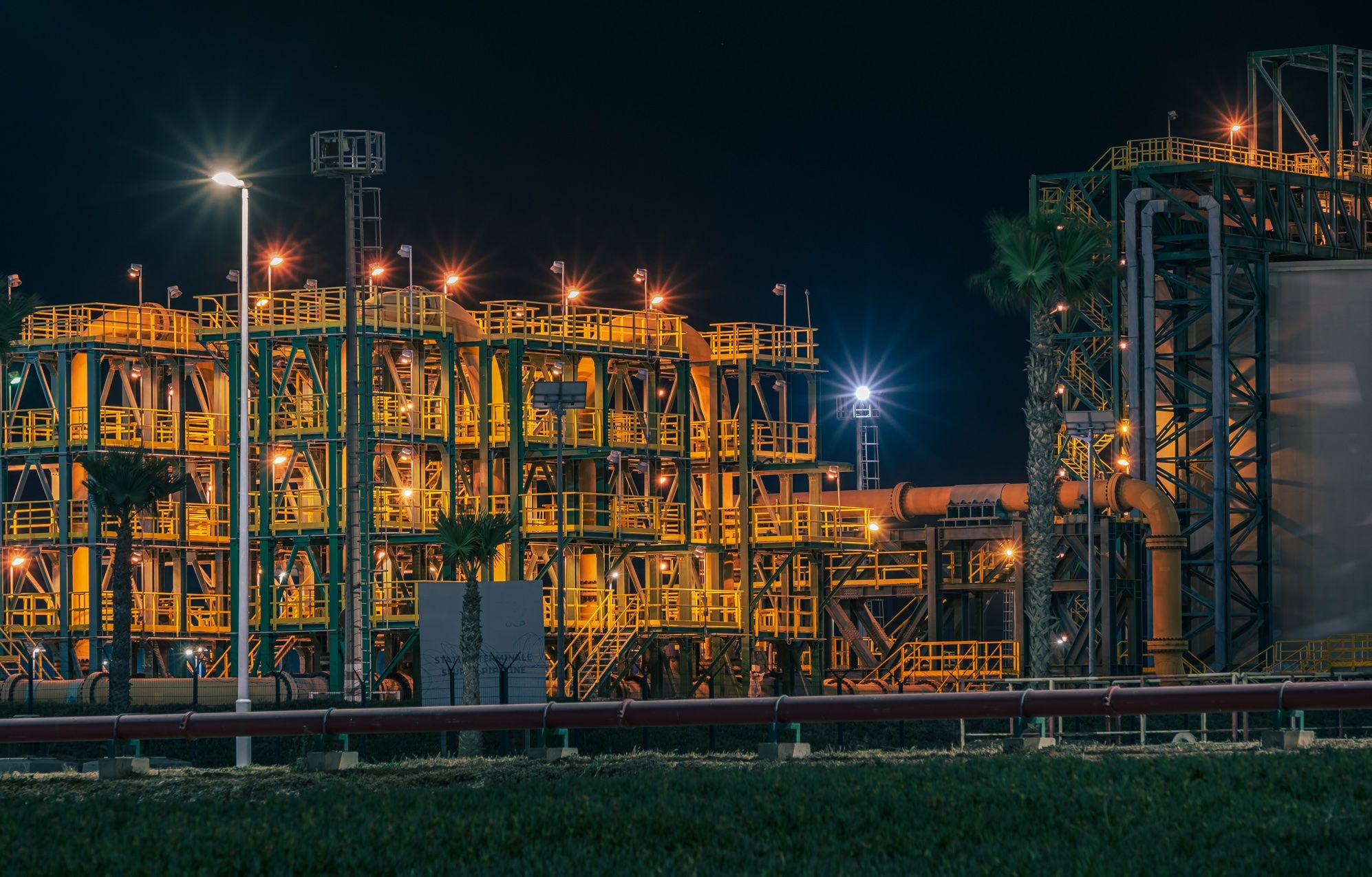
What has changed is the kind of company sitting on the rock. Under a strategy set by King Mohammed VI at the end of the 2000s, OCP stopped shipping ore and started making finished fertiliser. The second phase is the one worth watching. The group is spending some $13 billion to 2027 on its own electricity, its own water and its own chemistry: gigawatts of solar and wind, 560 million cubic metres of desalination capacity that also supplies Safi and El Jadida, and a green ammonia complex at Tarfaya meant to replace the very imports the Gulf closure made so expensive. Mohammed VI Polytechnic University, which OCP funds, does the science.
A fertiliser producer that generates its own power, makes its own water and will soon make its own ammonia is no longer simply a supplier. It is an ecosystem. And resilience is precisely that: reducing the number of things that can be taken away from you.
Talks to reopen the strait are now under way, and prices have eased. That is usually the moment the file gets closed. But it would be better to leave it open. Nutrients might be bought the way utilities buy power, on long contracts rather than in a scramble. Governments that hold oil and grain reserves could hold fertiliser too; it stores well and does not spoil. Blending plants and storage near African farmers would turn a distant supplier into a local one. None of it is expensive next to a lost harvest.
Britain grows around 60 per cent of its own food. The rest arrives on somebody else’s ship, grown with somebody else’s fertiliser. When Hormuz reopens, that will still be true.