

Acquisition interest in one of Britain’s biggest tobacco companies gave London’s equity market a rare jolt of corporate drama on Thursday, pushing the FTSE 100 (^FTSE) sharply higher across the session.
Imperial Brands (IMB.L) surged 13.3% to its highest closing level since June 2017, after US cigarette giant Altria (MO) confirmed it was weighing a possible offer for the company.
Earlier in the day, Bloomberg reported that Japan Tobacco (2914.T) was also studying a potential deal for Imperial Brands, citing people familiar with the matter, suggesting a bidding contest could be forming.
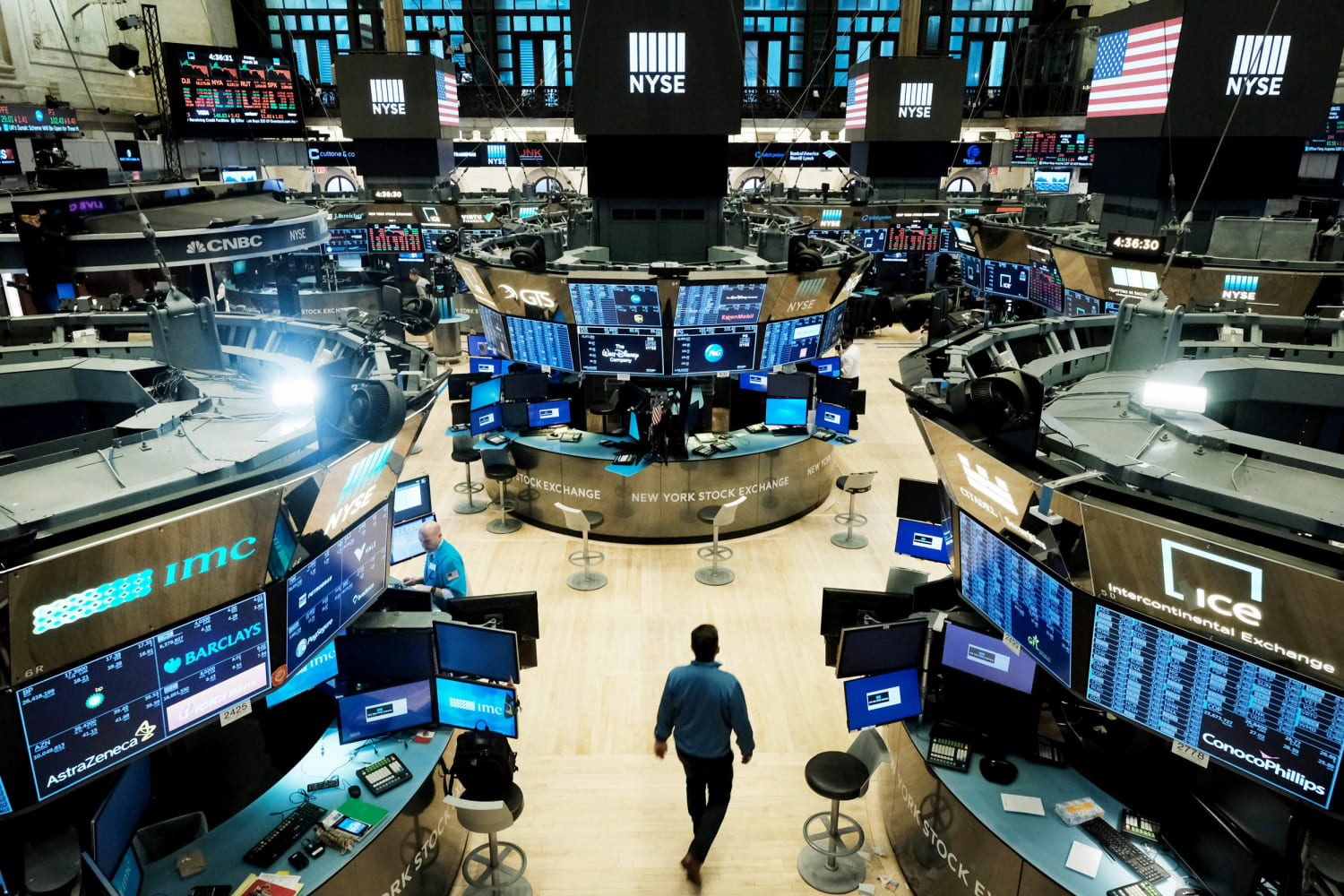
The twin takeover reports supercharged a broader recovery in London, with the FTSE 100 closing up 1.8% at 10,609.30 points, marking its strongest single-session gain since November 4.
European peers joined the advance, with Germany’s DAX (^GDAXI) climbing 2.1% and France’s CAC 40 adding 1.6%, as investors shrugged off lingering anxieties around AI-related spending and sought out value.
Miners were among the other notable movers, with Endeavour Mining rising 5.9%, Fresnillo up 5.5%, Glencore gaining 3.4%, and Rio Tinto advancing 1.9% as the sector staged a broad recovery.
Babcock also caught investors’ attention, rising 6.6% after the defence and engineering group signed an £8.7 billion, five-year Ministry of Defence contract covering submarine maintenance and naval base services, the largest in its history.
Away from equities, the Bank of England’s Financial Policy Committee moved to ease pressure on lenders, cutting major UK banks’ capital requirements by around 50 basis points of risk-weighted assets, consistent with its updated 13% benchmark, while holding the countercyclical buffer at 2%.
The committee did not offer an unqualified all-clear, warning that fast-expanding AI-related debt financing combined with elevated bond yields could simultaneously stress multiple points of financial vulnerability.
Sterling slipped 0.1% to $1.3105 against the dollar, while oil markets firmed, with Brent crude futures rising 0.7% to $91.29 and WTI up 1.2% at $84.65.
Geopolitical risk in the Middle East remained elevated, with the IRGC reporting two tankers caught fire after striking mines near Oman’s Khasab Port, and IRGC Navy commander Ali Ozmaei asserting that the Strait of Hormuz was under Iran’s “complete control.”
Israeli military spokesperson Effie Defrin added to regional tensions, stating that Israel was ready to attack Iran “even independently, without the Americans,” according to Israeli public broadcaster Kan.
US envoy Jared Kushner said President Trump was keeping “all options on the table” regarding Iran, while reports indicated Kataib Hezbollah had repositioned equipment in western Iraq to strike US assets if Washington resumed attacks on Tehran.
With US markets closed for Thanksgiving, the macroeconomic focus shifted to data showing US core PCE inflation rising 0.3% on the month and 3.3% annually, fractionally above the 3.2% consensus estimate.
ING analysts said the string of 0.3% monthly readings “all but seals a 25bp rate hike on 9 December,” adding pressure to the global rate outlook heading into year-end.
Washington also moved to propose new tariffs targeting industrial overcapacity across trading partners including China, Japan and the European Union, though the US is expected to observe the EU’s existing 15% cap.
On the domestic corporate front, Halfords lifted its full-year profit guidance to between £60 million and £65 million after warm weather drove stronger first-half earnings, though it cautioned that sales momentum had since eased.
Hill and Smith said 2026 operating profit would come in modestly ahead of analyst expectations, with robust American demand pushing organic revenue growth to 12% over the four months to October.
Mitchells and Butlers struck a more cautious note, flagging £95 million in anticipated cost pressures for 2027 even as its annual adjusted operating profit edged 0.6% higher to £332 million amid slowing sales.
The CBI added a further downbeat signal, reporting that consumer-services volumes fell to -39 from -24, with conditions forecast to deteriorate further to -54 next quarter, prompting the group’s Charlotte Dendy to cite “growing difficulties” in services.