

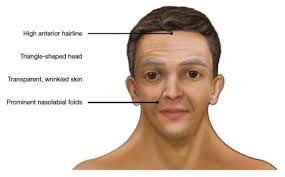
BioMarin Pharmaceutical has announced it is discontinuing development of Voxzogo for children with Noonan syndrome, marking another setback for the drug’s expansion ambitions.
The company said the decision followed an assessment of multiple factors, including the feasibility of the study and the current treatment landscape for children with Noonan syndrome.
BioMarin was explicit that the move was not related to any concerns about the safety or efficacy of Voxzogo itself.
The Noonan syndrome cut follows a difficult year for Voxzogo’s pipeline, during which BioMarin halted dosing and enrollment across three other indications in early 2026.
Those discontinued programmes covered Turner syndrome, SHOX-deficiency, and aggrecan-deficiency, after reports of slipped capital femoral epiphysis events in two investigator-sponsored trials.
Slipped capital femoral epiphysis is a hip disorder typically affecting adolescents, in which the ball at the upper thighbone slips backwards off the growth plate, causing pain and a limp.
At the time of that March 2026 halt, BioMarin had specifically spared the Noonan syndrome trial, implementing additional imaging and precautionary safety measures to allow it to continue.
No such events had been observed in the Noonan trial, nor across more than 5,000 infants and children who received Voxzogo for achondroplasia over ten years of clinical research and more than 10,000 patient-years of safety data.
The termination of the Noonan programme further narrows the long-term growth runway that BioMarin chief executive Alexander Hardy had outlined when setting a $4 billion revenue target by 2027.
BioMarin had previously flagged that Voxzogo approvals across Noonan syndrome, Turner syndrome, and SHOX-deficiency could arrive by 2031, but has since walked back the $4 billion goal as competitive pressure increased.
On the commercial side, Voxzogo sales for achondroplasia grew more than a quarter in 2025, reaching $927 million and making it BioMarin’s largest revenue contributor by a considerable margin.
However, the company forecast slower growth in 2026, guiding for between $975 million and $1.025 billion as competition from rival treatments began to weigh on expectations.
Ascendis Pharma’s Yuviwel received FDA approval earlier in 2026 to treat achondroplasia in children aged two and older with open growth plates, presenting a direct commercial challenge.
Yuviwel requires only once-weekly administration, a meaningful convenience advantage over Voxzogo, which must be taken daily, and one that could influence prescribing decisions.
Despite the pipeline setbacks, BioMarin has made meaningful progress on a label expansion for Voxzogo in hypochondroplasia, which could open a new patient population for the drug.
The Canopy-HCH-3 study met its primary endpoint, with Voxzogo delivering “highly statistically significant” improvements in annualized growth velocity compared with placebo.
In that trial of 80 patients aged between three and seventeen, those on Voxzogo recorded an annualized growth velocity of 2.33 centimetres more than those on placebo at week 52.
BioMarin submitted a supplemental new drug application to the FDA in July 2026, seeking approval of Voxzogo for the treatment of hypochondroplasia.