

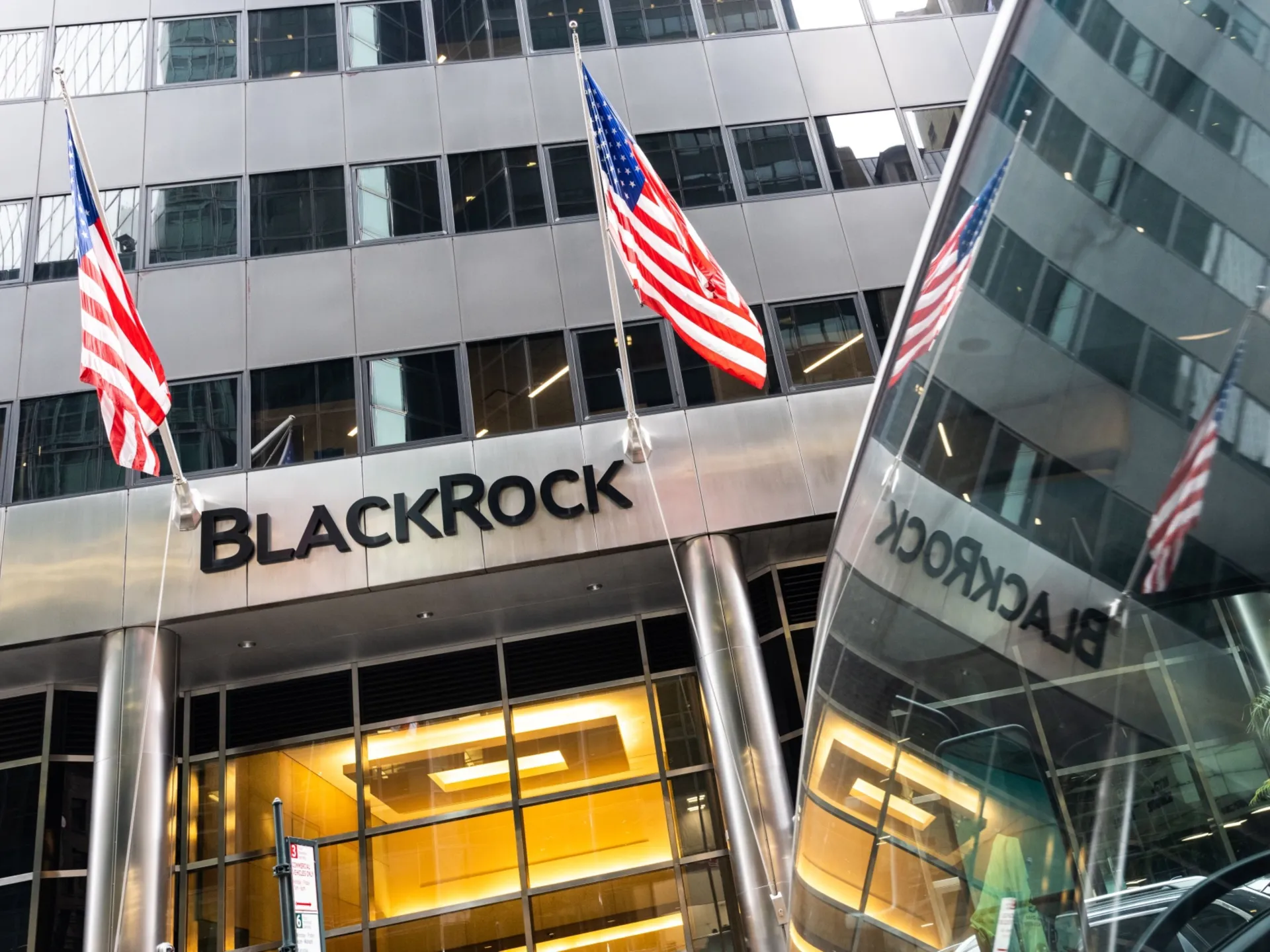
BlackRock CEO Larry Fink believes the future of global finance lies in the tokenization of traditional assets, signaling a major strategic direction for the world’s largest asset manager.
Speaking on CNBC’s Squawk on the Street on Tuesday, Fink said tokenization — the process of converting real-world assets into digital tokens — will drive financial innovation over the next several decades.
Tokenizing ETFs and Traditional Investments
“If we can tokenize an ETF, digitize that ETF, we can have investors who are just beginning to invest in markets through, let’s say, crypto,” Fink said.
“They’re investing in it, but now we can get them into the more traditional long-term retirement products. We look at that as the next wave of opportunity for BlackRock over the next tens of years.”
He added that tokenizing assets allows investors to remain within a digital ecosystem, moving seamlessly between crypto and traditional financial instruments.
BlackRock, which manages $13.5 trillion in assets, currently holds $104 billion in crypto investments — about 1% of its total portfolio.
Early Stages of Asset Tokenization
Fink emphasized that the transition toward tokenization is still in its infancy but predicted rapid growth in the years ahead.
“I do believe we’re just at the beginning of the tokenization of all assets, from real estate to equities, to bonds. Across the board,” he said.
Market data from Mordor Intelligence estimates the global asset tokenization market at $2 trillion in 2025, with projections exceeding $13 trillion by 2030.
BlackRock has already made moves in this area, launching the BlackRock USD Institutional Digital Liquidity Fund — known as BUIDL — in March 2024.
The $2.8 billion tokenized cash fund is currently the largest of its kind.
A Shift in Fink’s View on Crypto
Fink’s comments mark a dramatic evolution in his views on cryptocurrency.
In a separate interview on CBS’s 60 Minutes earlier this week, he likened crypto to gold, saying: “There is a role for crypto in the same way there is a role for gold; it’s an alternative. For those looking to diversify, this is not a bad asset, but I don’t believe it should be a large part of your portfolio.”
Once a vocal skeptic — in 2017 calling crypto “an index of money laundering” — Fink admitted he has since changed his position.
“I was a critic in the past, but over time, I grow and learn,” he told CNBC.