

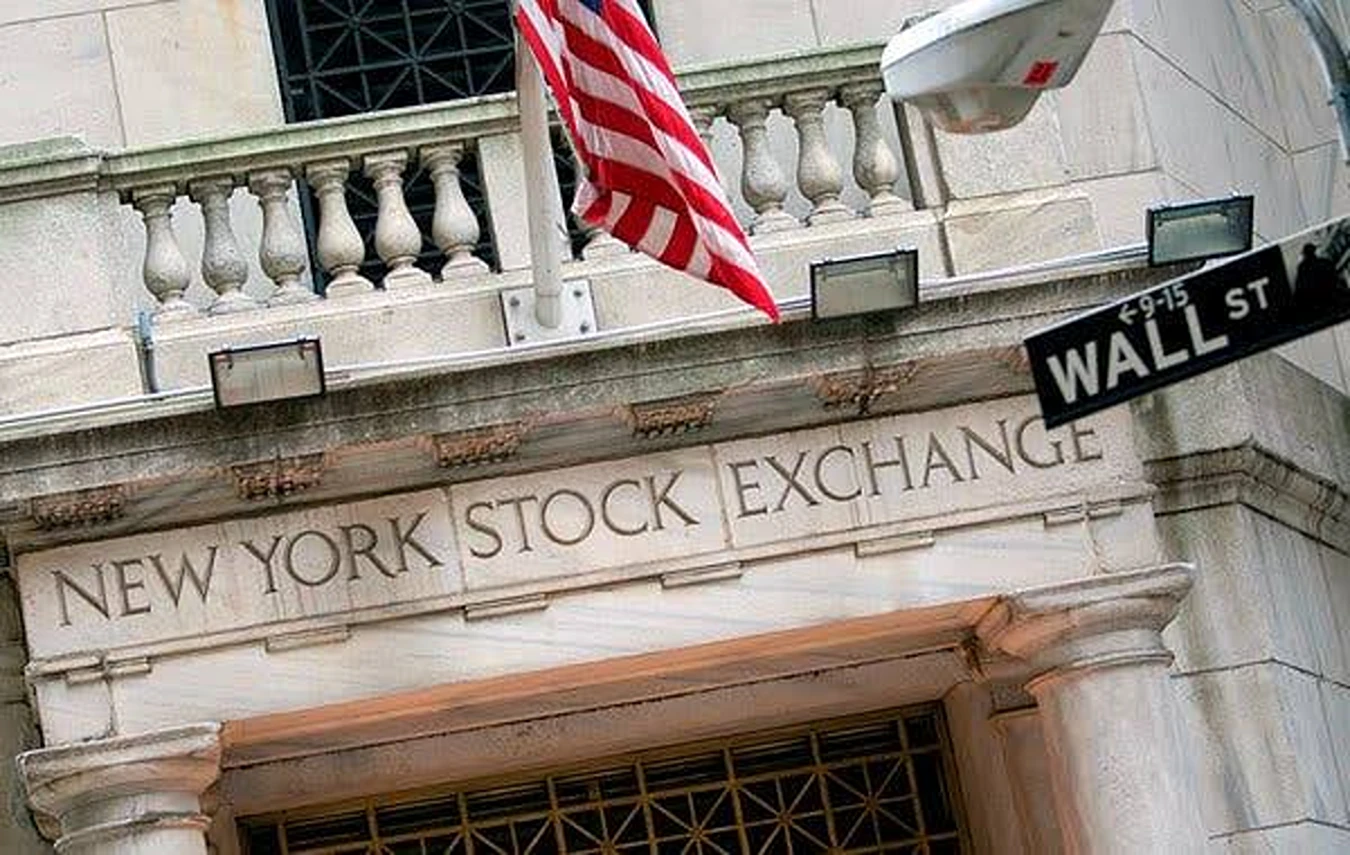
China’s major banks are caught between two competing pressures as Washington ramps up its financial campaign against Tehran and those who support it.
U.S. Treasury Secretary Scott Bessent warned this week that any entity facilitating “money laundering or sanctions evasion on behalf of Iran risks being cut off from the U.S. financial system.”
Bessent was direct when asked specifically about Chinese banks, saying: “If they facilitate transactions and are part of the ecosystem that turns Iranian oil into money, into repression, they will be targeted.”
The expanded sanctions push, dubbed “Operation Economic Outcast,” identified several China-based companies and individuals as having allegedly assisted the Iranian military.
China pushed back firmly, with a foreign ministry spokesperson stating that “China has made clear on many occasions its firm opposition to illicit unilateral sanctions that have no basis in international law or the authorization of the UN Security Council.”
Beijing also said Tuesday it would “take all necessary measures” to protect its interests, signalling it has no intention of simply complying with Washington’s demands.
The stakes are significant given how closely China’s economy is tied to Iranian oil supply, with China buying around 90% of Iran’s exported oil before the war, representing roughly 12% of China’s total crude imports.
Despite the tough rhetoric from both sides, analysts stress that China has strong incentives to remain connected to dollar-denominated finance, which underpins its vast export-driven economy.
The U.S. dollar still accounted for over half of global payments in July, according to Swift, while China’s yuan ranked fifth at just 3.1%, down from over 4% in early 2025.
In trade finance specifically, the dollar accounted for nearly 80% of transactions that same month, with the yuan ranking second at 8.4%, underscoring how dependent global commerce remains on American currency infrastructure.
Tianchen Xu, senior economist at the Economist Intelligence Unit, told CNBC that “China definitely wants to stay in the dollar system which benefits its trade engine, but that doesn’t mean it will do everything [to] comply with expanding U.S. sanctions.”
Xu added that he expected China to deploy rare earth controls and other retaliatory measures if major Chinese businesses face sanctions, giving Beijing meaningful leverage in any escalating dispute.
China has been quietly building an alternative financial architecture through its Cross-Border Interbank Payment System, known as CIPS, which the People’s Bank of China began developing in 2012, the same year the U.S. sanctioned Bank of Kunlun over Iran-related activities.
Peter Alexander, Shanghai-based managing director of advisory Z-Ben, told CNBC that CIPS demonstrated China was trying to diversify away from dollar-centred finance without abandoning it entirely.
CIPS now lists 210 direct participating institutions globally, mostly affiliates of state-owned Chinese banks, and transaction volumes have grown since Russia’s invasion of Ukraine in 2022.
Alexander noted that Argentina and Australia this month both renewed bilateral currency swap agreements with China, enabling the exchange of tens of billions of dollars worth of yuan between their central banks.
“The emerging financial system isn’t necessarily one in which countries abandon the USD,” Alexander said. “It is a geopolitical hedging instrument.”
Adding further complexity to the standoff, a summit between U.S. President Donald Trump and Chinese President Xi Jinping is expected in the U.S. late next month, following Trump’s visit to Beijing in May.
Eurasia Group’s China director Dan Wang told CNBC that removing a major Chinese bank from the SWIFT system would significantly increase devaluation pressure on the yuan, which is “not acceptable” to Beijing.
Wang also noted that “the core of China-U.S. relation is more about [the] Taiwan situation,” suggesting Beijing views its ties with Tehran as secondary to its broader strategic competition with Washington.
Alexander offered a stark assessment of where things stand, saying “Beijing hasn’t even begun to play hard ball with America,” and that the real question regarding U.S. action is “not what could be done — the question is whether anything WILL be done.”