

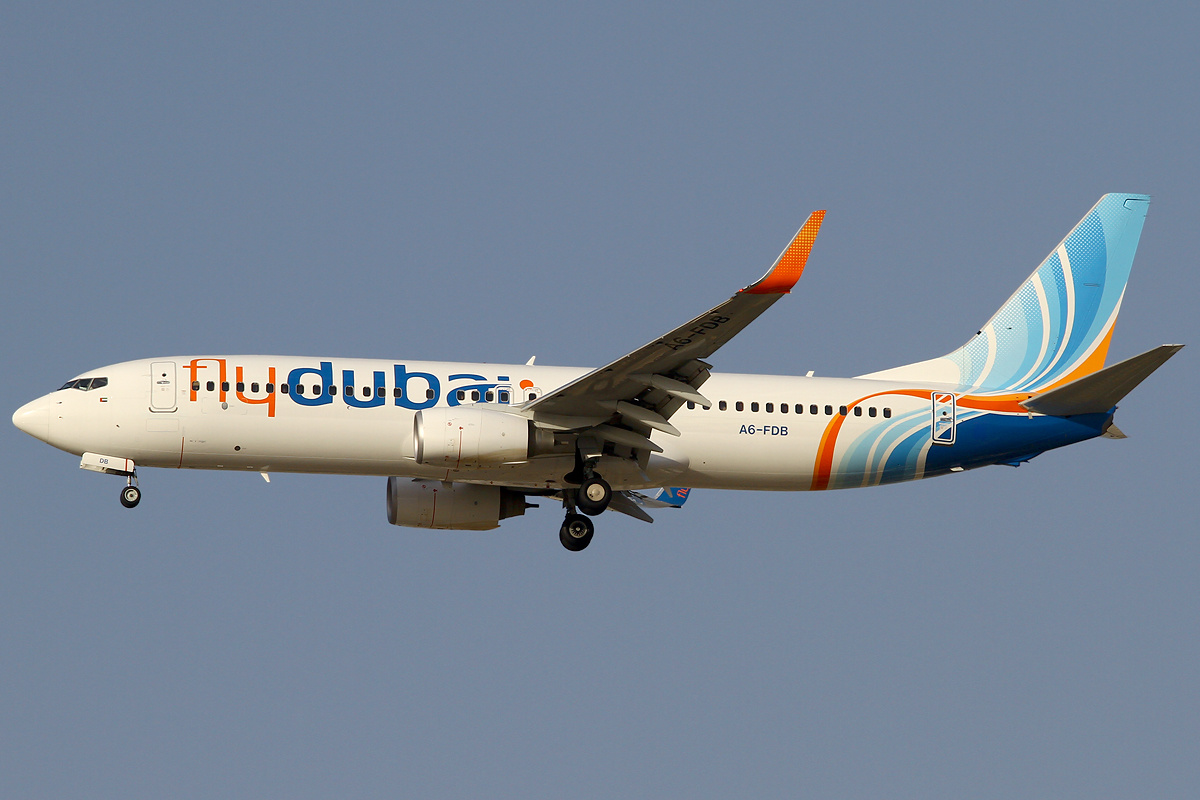
UAE investigators have concluded that the Omani co-pilot aboard a FlyDubai aircraft was in the process of carrying out a planned terrorist attack.
The findings relate to flight FZ1073, which was travelling from Dubai to Tel Aviv on 30 September with 174 people on board.
According to the UAE’s official news agency WAM, the investigation found that “the co-pilot had begun to carry out a terrorist act” during the flight.
Hamad Saif Al Shamsi stated that the co-pilot had “assaulted the captain in the cockpit using the emergency axe” and attempted “to take control of the aircraft.”
The incident began when the Omani co-pilot stabbed the Indian captain mid-flight, in what authorities have described as a deliberate and premeditated act.
Despite sustaining injuries, the captain managed to open the cockpit door, allowing passengers and crew members to overpower the attacker before the situation escalated further.
Reports from multiple international media outlets indicate that Omani authorities had previously banned the co-pilot from flying due to suspicions of radicalisation.
The flight, which carried 174 passengers and crew, was diverted following the attack, which sent shockwaves through the aviation industry and international security communities.
Israeli Prime Minister Benyamin Netanyahu did not wait for the official inquiry to conclude before publicly denouncing the incident as a “jihadist terrorist attack attempt.”
The UAE investigation has since confirmed the attack was deliberate, with authorities treating the incident as an act of terrorism under UAE law.
FlyDubai has not yet made a detailed public statement in response to the final conclusions published by UAE investigators regarding the flight FZ1073 incident.
The case has raised urgent questions about pilot vetting procedures and international information-sharing between aviation authorities when crew members are flagged for potential radicalisation.