

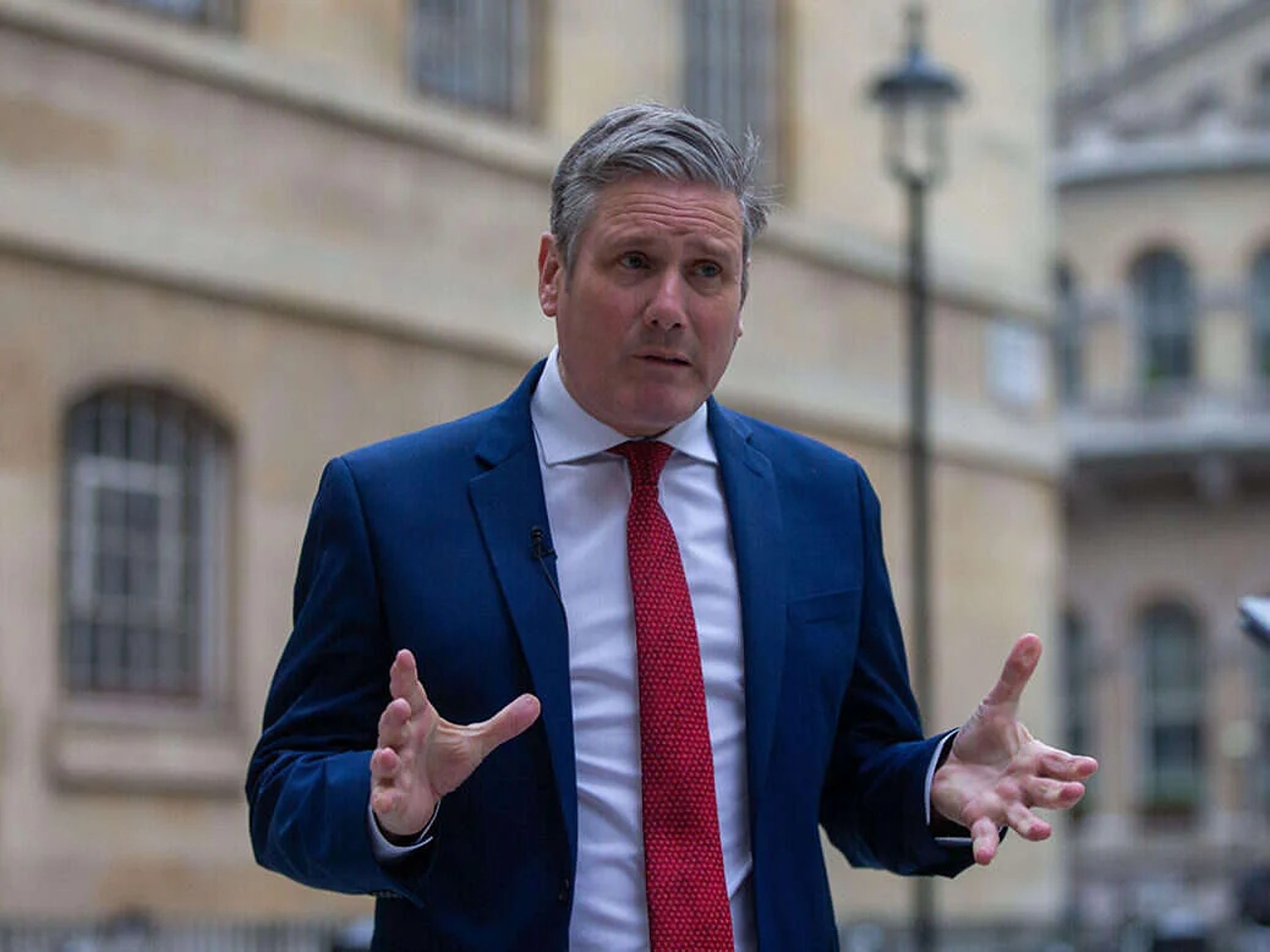
Sir Keir Starmer has resigned as Prime Minister, stepping down less than two years after leading Labour to a landslide victory at the 2024 general election.
The resignation follows mounting pressure triggered by Andy Burnham’s victory in the Makerfield by-election, which dramatically shifted the balance of power within the Labour Party.
Speaking outside Downing Street, Starmer acknowledged that his position had become untenable and confirmed the party would begin the process of electing a new leader.
“The question my party is asking now is whether I am best placed to lead us into the next general election,” Starmer said. “I have heard the answer of my parliamentary party to that question, and I accept that answer with good grace.”
Starmer confirmed he will remain in post until a successor is chosen to “ensure an orderly handover of power”, avoiding an immediate vacuum at the top of government.
Nominations for the Labour leadership will open on 9th July, with the party aiming to have a new leader in place by the time MPs return from parliamentary recess in September.
Should multiple candidates enter the race, a full summer-long leadership contest will follow, with Andy Burnham widely regarded as the frontrunner to succeed Starmer.
Burnham, the former Manchester Mayor, made his leadership ambitions clear throughout the Makerfield by-election campaign and is seen by many in the party as Labour’s best chance of defeating Reform UK.
A Labour leadership contest will usher in Britain’s seventh Prime Minister in just over a decade, with Starmer set to become the shortest-serving living Prime Minister in Labour’s history.
Starmer’s departure marks the end of a premiership that came to power promising to clean up British politics but was ultimately defined by political infighting, policy U-turns, and accusations of sleaze.
In recent weeks, Starmer had been defiant, insisting he would stand in any leadership contest, but he today ruled out that possibility entirely.
He made clear that the verdict of his parliamentary party had been delivered, and that he accepted the conclusion that he was not the right person to lead Labour into the next general election.