

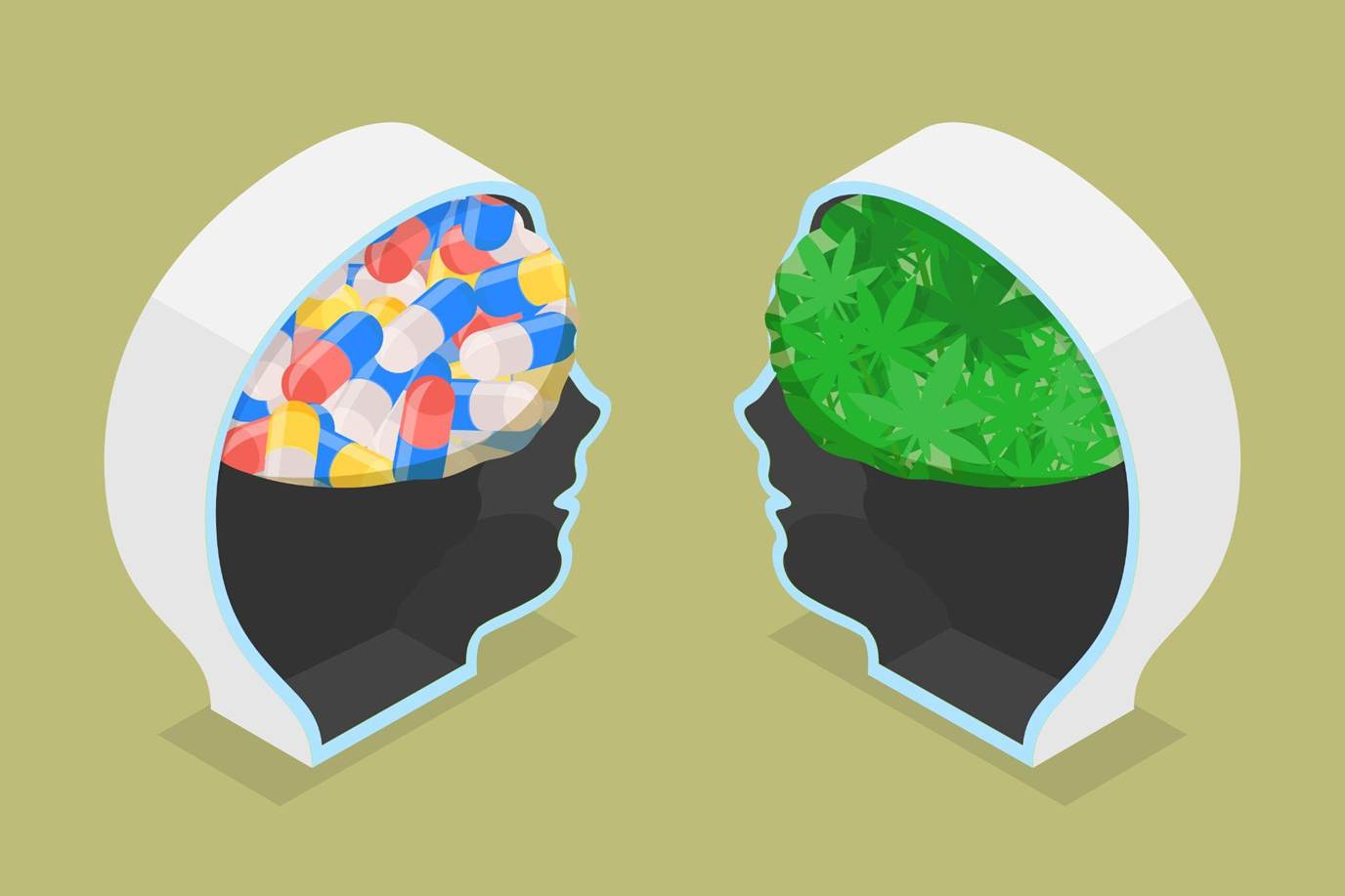
This is a subject where the volume of online discussion bears very little relationship to the strength of the evidence, and families researching it deserve a straight account rather than either enthusiasm or dismissal.
What follows is general information, not medical advice. Decisions about a child’s or an adult’s care belong with clinicians who know the person, and nothing here should be read as a recommendation to pursue any particular treatment.
Start With What Is Actually Being Treated
The first distinction matters enormously and is frequently blurred.
Autism itself is a neurodevelopmental difference rather than an illness, and there is no medicine that treats it. National guidance is clear that pharmacological intervention is not appropriate for the core characteristics of autism.
What clinicians sometimes treat are co-occurring conditions: epilepsy, severe anxiety, sleep disorders, gastrointestinal problems, and in some cases behaviour that causes significant distress or risk of harm. Those are separate clinical questions with separate evidence bases. Any discussion of autism and cannabis is therefore really a discussion about co-occurring conditions rather than about autism as such, and framing it otherwise sets families up for disappointment.
Where National Guidance Currently Sits
The guideline covering cannabis-based medicinal products addresses a specific set of indications: intractable nausea and vomiting, chronic pain, spasticity, and severe treatment-resistant epilepsy.
Autism is not among them. That is not an oversight. It reflects the fact that the evidence assessed did not support a recommendation, and the relevant guidance is published and searchable through NICE’s guidance library for anyone who wants to read the position directly rather than through intermediaries.
Separate technology appraisals do cover cannabidiol with clobazam for two rare, severe epilepsy syndromes, Dravet and Lennox-Gastaut. Some autistic children have treatment-resistant epilepsy, and where those specific criteria are met the route exists. That is a narrow and clinically defined situation rather than a general one.
What the Research Actually Shows
Being accurate here is more useful than being encouraging.
Studies in this area are mostly small, frequently observational, and rarely blinded. Several report improvements in specific measures such as sleep or self-injurious behaviour, which is why the topic persists. Others show no effect. Placebo response is substantial in this population and in parent-reported outcomes generally, which makes uncontrolled studies particularly hard to interpret.
The honest summary is that the evidence is preliminary. That is neither proof it works nor proof it does not, and any source presenting it as settled in either direction is misrepresenting it.
Prescribing for Children Is More Restricted
Families should understand that the rules are tighter for under-18s than for adults.
Only doctors on the GMC Specialist Register can prescribe unlicensed cannabis-based products, and they must work within their own area of competence. A specialist who treats adults should not be prescribing for a child, which means paediatric prescribing requires a paediatric specialist.
Most private clinics in the UK treat adults only. Those that see children generally do so through a narrower pathway with additional safeguards, and families should expect a more demanding assessment rather than a quicker one.
Questions Worth Asking Any Provider
If you are exploring this, the quality of a provider shows in how they answer five questions.
What specific symptom or co-occurring condition are we treating, and how will we measure whether it has changed? Which specialist would be prescribing, and are they on the Specialist Register for the relevant paediatric or adult specialty? What conventional options have been tried, and why is this the next step rather than an earlier one? What are the monitoring arrangements? And what would cause you to stop?
A provider who cannot name a measurable target, or who frames this as treating autism itself, is not being straight with you. Directories such as those listing the best medical cannabis clinics can help identify which providers see under-18s at all, which narrows the field considerably before any clinical conversation begins.
The Cost Reality for London Families
NHS funding for this indication is effectively unavailable, which means families pay privately and indefinitely.
That involves an initial assessment, ongoing follow-ups and the medicine itself, with the medicine being the dominant recurring cost. Over a year the total is substantial, and it does not reduce.
For families already managing the costs associated with a disability, this is a serious financial commitment and it should be entered into with the annual figure in front of you rather than the monthly one.
What Else Is Available and Often Underused
Before or alongside any of this, several routes are frequently under-accessed in London boroughs.
An Education, Health and Care Plan brings statutory duties and funding that many families do not realise they can request. Local authority short breaks and respite provision exist and are inconsistently publicised. Speech and language therapy and occupational therapy have better evidence for functional outcomes than most pharmacological approaches. And sleep clinics can address one of the most common and most disabling co-occurring problems directly.
Parent-led autism organisations in London can usually point families toward what exists locally faster than any official route.
A Fair Conclusion
Some families report meaningful improvements in specific symptoms, and their experience should not be dismissed. The evidence base does not currently support this as a treatment for autism, and no reputable clinician would present it that way.
If you are considering it, treat it as you would any other trial of an unlicensed medicine for a specific target symptom: with a defined outcome, proper monitoring, a specialist who knows the person, and a clear point at which you would stop.
And discuss it with the clinicians already involved in that person’s care. They may disagree, and their reasoning is worth hearing before you act on anything you read online, including this.