

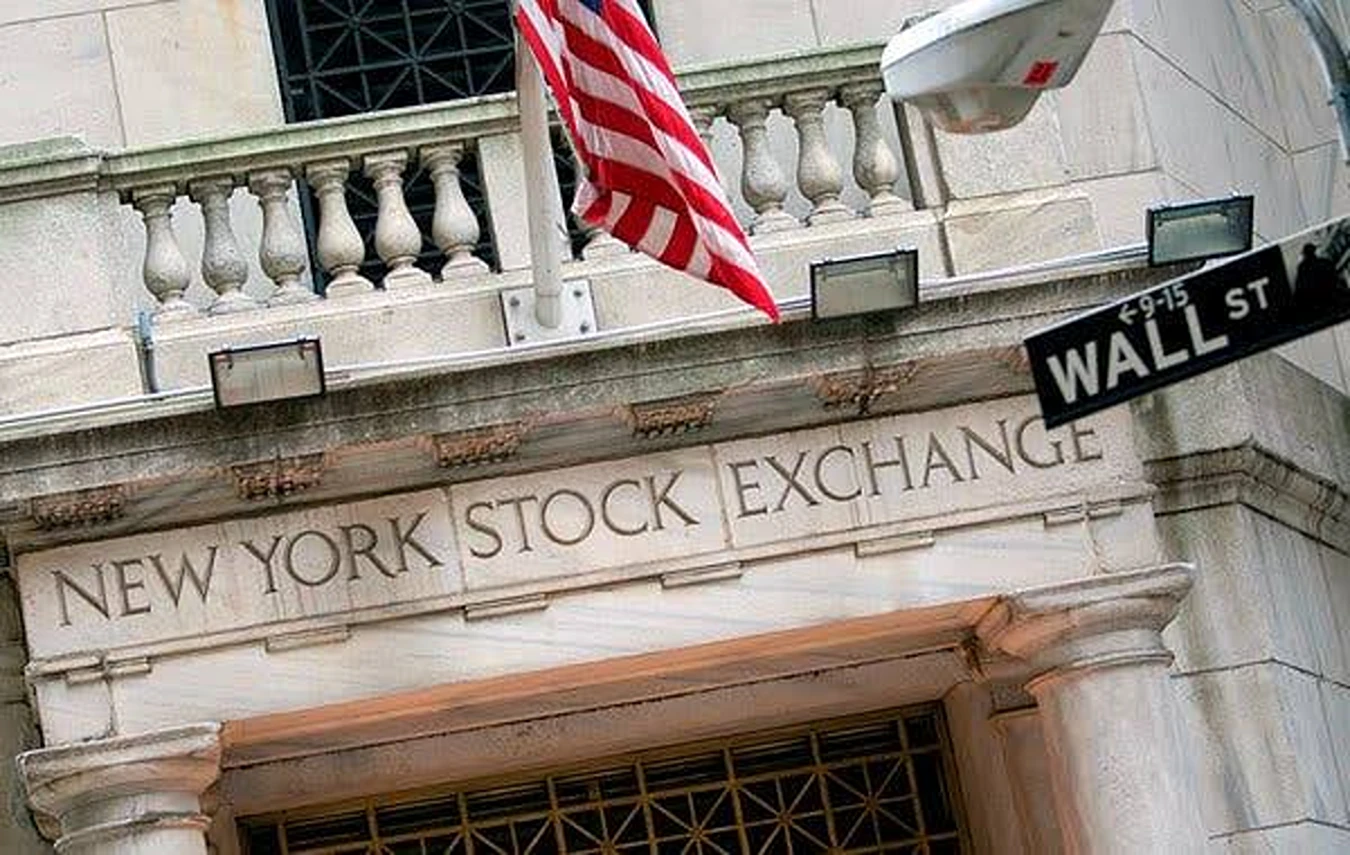
Intercontinental Exchange (ICE), the parent company of the New York Stock Exchange, is reportedly exploring plans to introduce 24/7 onchain settlement for tokenised stocks.
The move would represent a significant shift in how equity markets operate, potentially eliminating the traditional two-day settlement window that has long defined stock trading.
Tokenised stocks are digital representations of traditional equities recorded on a blockchain, allowing for faster, more transparent, and programmable ownership transfers.
Round-the-clock settlement would mean investors could trade and fully settle positions at any hour, including weekends and public holidays, removing longstanding barriers to market access.
Traditional stock settlement, known as T+2, requires two business days to fully process a trade, a cycle that critics argue is outdated given the speed of modern financial technology.
The drive toward onchain settlement reflects broader momentum across global financial markets, where institutions are increasingly exploring blockchain infrastructure to modernise post-trade processes.
Major financial institutions and regulators in both the United States and Europe have been paying closer attention to tokenisation as a means of improving market efficiency and reducing counterparty risk.
If NYSE were to implement such a system, it would place the exchange at the forefront of a structural transformation in capital markets that has been building for several years.
The timing is notable, as regulators in the United States have shown growing openness to blockchain-based financial infrastructure following years of cautious engagement with the technology.
Competitors and fintech firms have already begun piloting tokenised asset platforms, meaning the NYSE would be entering a space where some groundwork has already been laid by smaller players.
A successful rollout of 24/7 onchain settlement could pressure rival exchanges to accelerate their own digital infrastructure programmes to avoid falling behind on efficiency and investor appeal.
The development also raises important questions around custody, regulatory oversight, and how existing investor protections would translate into a blockchain-based settlement environment.