

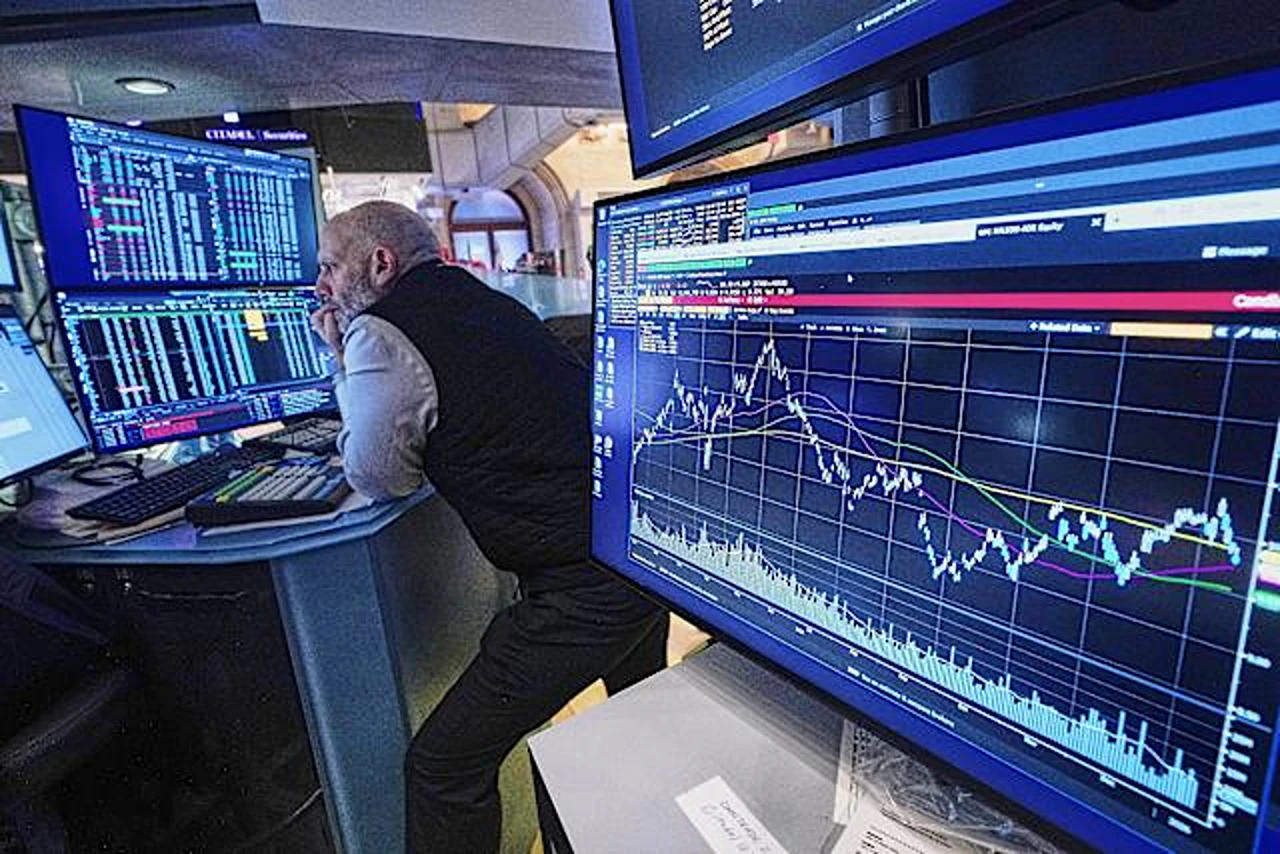
Global equity markets have long shown a tendency to shrug off geopolitical tensions, pricing in optimism even as conflicts escalate across key regions of the world.
That approach is becoming increasingly difficult to sustain as energy markets reflect the mounting pressure that prolonged conflict places on global supply chains and commodity prices.
Analysts are warning that the threshold for market complacency may finally have been reached, with oil prices moving toward levels that historically trigger significant economic disruption.
The phrase circulating among traders and strategists captures the shift in sentiment plainly: “It’s too hard to ignore $100 oil.”
At that price point, the cost pressures ripple far beyond the energy sector, feeding directly into inflation, consumer spending, and corporate profit margins across virtually every industry.
Central banks in the UK and across the developed world have spent recent years battling elevated inflation, and a fresh surge in oil prices would severely complicate any path toward further interest rate cuts.
For UK businesses already navigating weak consumer confidence and sluggish growth, a sustained move higher in crude would represent a meaningful additional headwind to recovery.
The stock market’s historical tendency to look past geopolitical risk has been rooted in the assumption that conflicts remain contained and that energy supplies ultimately find alternative routes to market.
That assumption is being tested as the duration and geographic spread of active conflicts make supply disruption scenarios harder to dismiss as tail risks.
Investors are beginning to reprice assets to account for a world in which elevated energy costs are not a temporary shock but a persistent feature of the economic landscape.
The shift in market psychology matters because it influences capital allocation decisions, business investment plans, and consumer confidence in ways that can become self-reinforcing over time.
For equity markets, which rallied strongly in prior periods despite war and instability, the recalibration signals a more cautious phase ahead as the cost of ignoring geopolitical realities becomes harder to absorb.