

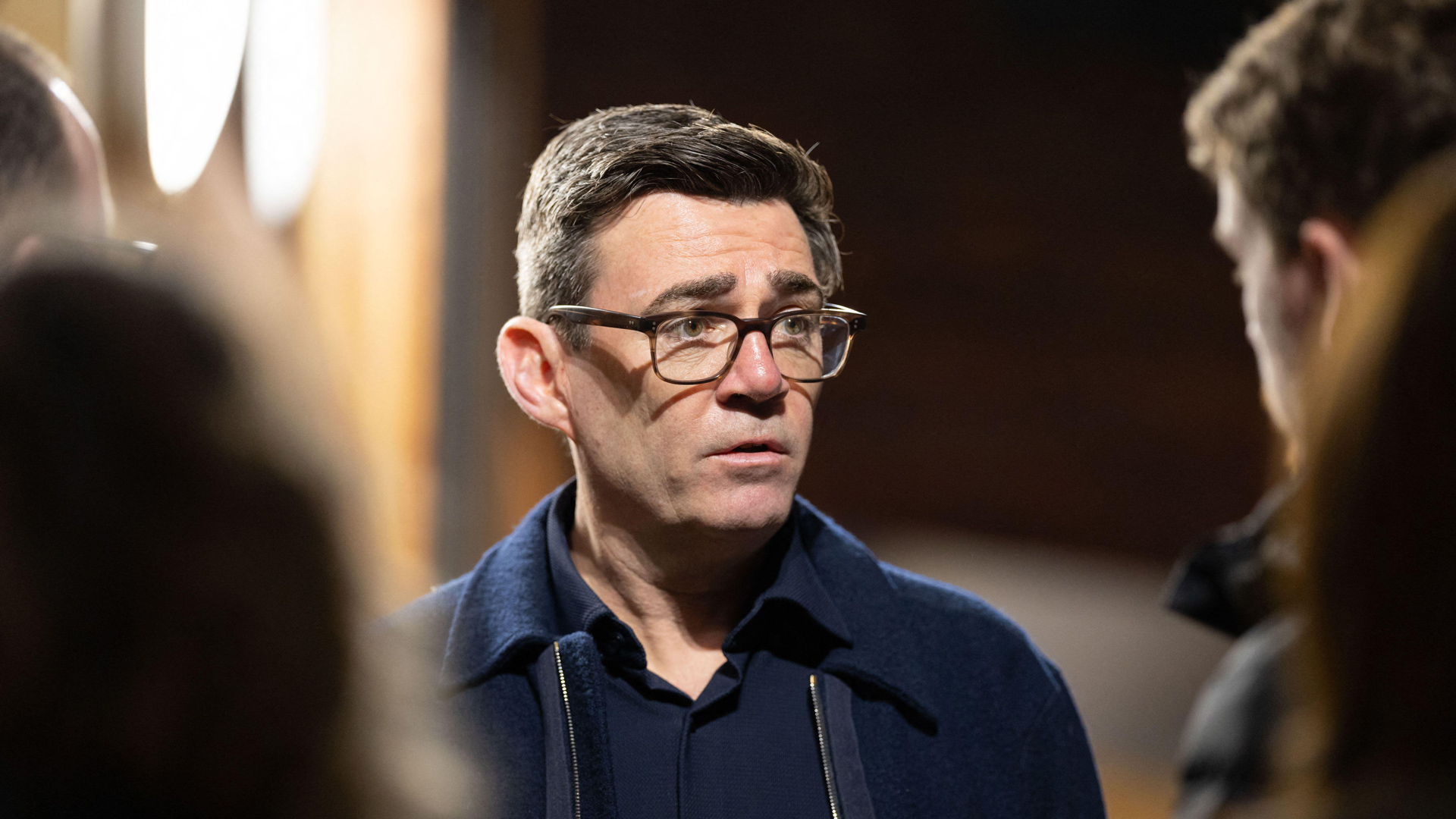
Andy Burnham has been enjoying a presidential summer, communicating with the public through podcasts and social media while delivering the occasional speech and touring the country.
The new Prime Minister has largely been making his own weather since taking office, but parliament’s return from its summer recess will bring that period of relative comfort to a sharp and sudden close.
Two months ago, reports emerged that Burnham had been expecting to become Prime Minister after the summer, giving him time to build his team and develop his agenda.
Keir Starmer had other ideas, however, and was out of Downing Street faster than a tourist running for a poolside sun bed, as the political landscape shifted beneath everyone’s feet.
Burnham made the most of his summer without serious scrutiny, but observers have noted it was surface-level stuff built on slogans, TikToks, and good vibes rather than substantive policy.
Parliament’s return brings a degree of scrutiny that Burnham has not experienced for 17 years, when he served as Gordon Brown’s health secretary before Labour’s defeat in the 2010 election.
He will now have to contend with the interrogation of MPs, parliamentary games, Urgent Questions summoning his ministers, select committees, and PMQs, all while managing his own legislative agenda.
Not least among his immediate challenges is October’s Budget, which must be wrestled through parliament and through his own party simultaneously, a task that will test his political management skills considerably.
Journalists and opposition MPs alike are eager for the cut and thrust of parliamentary life to return, bringing the kind of pressure Burnham has successfully avoided throughout his summer campaign.
On the opposition benches, the Conservative Party is gearing up for the fight with a string of notable promotions designed to sharpen its challenge to the new government.
Tom Tugendhat comes in from the cold to serve as shadow foreign secretary, bringing much-needed heft and experience to the brief as the Tories attempt to rebuild their depleted operation.
Sir Mel Stride’s stint as shadow chancellor has come to an end, with Andrew Griffith now stepping into the role, described as the only sitting MP to have held a leadership role at a FTSE 100 company.
Griffith is considered hardworking, energetic, and ideologically committed to a low-tax, pro-business agenda, and is well respected in the City of London’s financial circles.
His new high-profile role is expected to serve as a direct contrast to what the Conservative Party argues is the government’s complete lack of private sector experience.
With Burnham promising to simultaneously end “neoliberalism” and “deliver growth in every postcode,” the political battle now taking shape promises to be as entertaining as it is consequential for the country.