

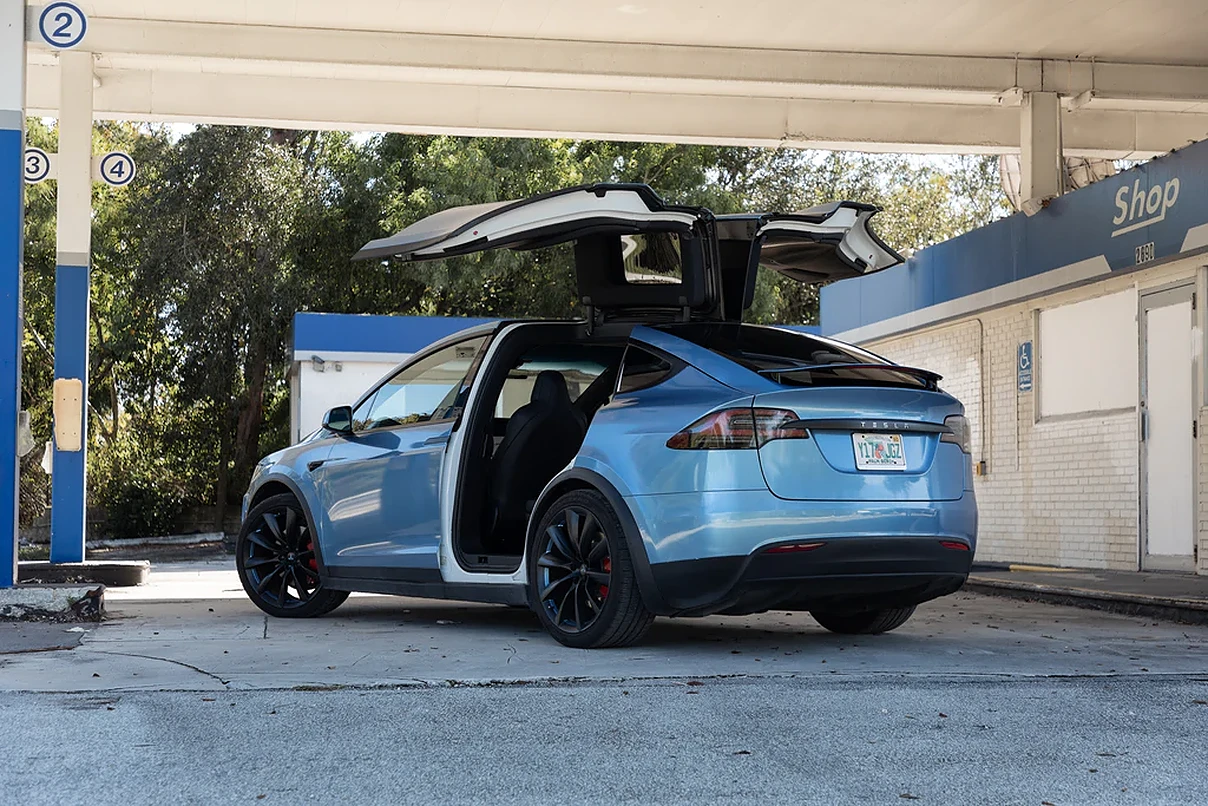
Tesla is expected to be among the first automakers to benefit from Canada’s decision to ease restrictions on electric vehicles (EVs) built in China.
Under a new agreement announced last week, Canada will allow up to 49,000 China-made vehicles to be imported annually at a reduced tariff rate.
The quota could expand to as many as 70,000 vehicles within five years, according to Canadian Prime Minister Mark Carney.
However, half of the allocation will be reserved for vehicles priced below 35,000 Canadian dollars, a threshold currently below Tesla’s lineup.
Shanghai Factory Gives Tesla A Head Start
Despite the price clause, industry experts say Tesla retains a structural advantage over many potential competitors.
The company’s Shanghai facility, its largest and most cost-efficient plant, was already configured in 2023 to produce a Canada-specific version of the Model Y.
That year, Tesla began shipping vehicles from China to Canada, driving a sharp increase in Chinese-built auto imports through Vancouver.
Exports were halted in 2024 after Canada imposed 100% tariffs, forcing Tesla to shift supply to its U.S. and Berlin factories.
“This new agreement could allow resumption of those exports rather quickly,” said Sam Fiorani, vice president at AutoForecast Solutions.
Competitive Edge Over Chinese Rivals
Tesla’s established sales network also positions it ahead of Chinese automakers that lack a retail presence in Canada.
The company operates 39 stores nationwide, while brands such as BYD and Nio have yet to enter the Canadian market directly.
Analysts also highlight Tesla’s streamlined model range, which allows it to adjust production and logistics more efficiently than rivals offering broader portfolios.
“Tesla indeed has an advantage with its offering of a few models and simple production lines,” said AutoForesight managing director Yale Zhang.
Opportunities Expand For Chinese EV Brands
The revised import framework could still create openings for Chinese manufacturers targeting entry-level buyers.
Industry analysts say lower-priced vehicles are likely to appeal to cost-conscious consumers seeking affordable electric options.
The quota system may also allow Chinese brands to gauge demand in a market with a sizeable Chinese-Canadian population.
Canada has signaled interest in potential joint ventures and investments aimed at developing domestic EV production using Chinese expertise, according to reports.
The move has drawn criticism from U.S. officials, following Washington’s own decision to impose steep tariffs on Chinese electric vehicles.