

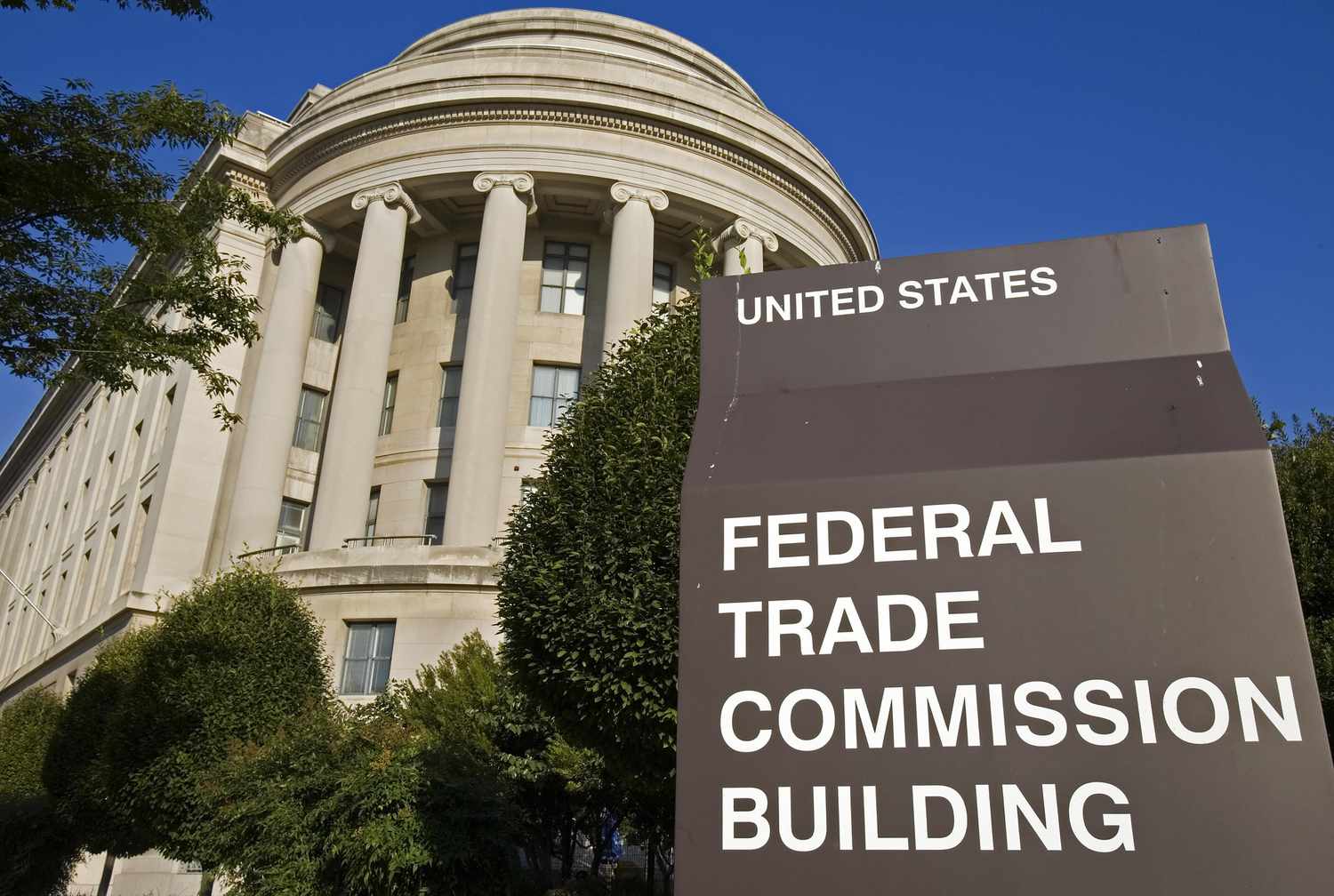
The United States has imposed sweeping new tariffs on 60 economies, citing their failure to enforce bans on goods produced using forced labour.
The Office of the U.S. Trade Representative acted under Section 301 of the Trade Act of 1974, covering 99.4% of all American imports from its top trading partners.
Countries now face duties of either 10% if they have adopted import prohibitions on forced-labour goods, or 12.5% if they have not yet done so.
The new measure replaces a temporary 10% global tariff imposed under Section 122 of the trade act, which expires on 24 July 2026 and was a stopgap following a Supreme Court ruling.
The Supreme Court ruled earlier this year that Trump’s emergency-powers tariffs were unlawful, forcing the administration to pursue a more legally durable mechanism for maintaining a global baseline tariff.
Analysts at the Peterson Institute for International Economics described the investigation as “not a labor-standards exercise but a mechanism for exporting America’s import ban on Chinese goods, as well as an attempt to recreate the tariff regime struck down by the Supreme Court.”
Australian Trade Minister Don Farrell was among the sharpest critics, stating: “These tariffs are unjustified, inconsistent with our free trade agreement, and should be removed.”
Farrell added that “Australia’s measures to combat forced labor and modern slavery are among the strongest in the world, and we are recognized globally, including in the U.S., for our leadership.”
Brazil’s government labelled the tariffs “arbitrary” and “unjustified,” with President Luiz Inácio Lula da Silva saying he remained open to negotiations but would seek alternative markets if necessary.
The new duty on Brazilian goods stacks on top of a separate 25% Section 301 tariff imposed this month, rebuilding a combined 37.5% barrier close to the 50% rate previously struck down as unlawful.
Chile said the measure was inconsistent with its labour standards and the technical, political, and legal evidence it submitted throughout the investigation, noting the U.S. resolution does not even allege Chile exports forced-labour goods.
Canada, placed in the lower 10% tier with an exemption for USMCA-compliant goods, took the mildest stance among affected nations in its public response.
Minister for Canada-U.S. Trade Dominic LeBlanc said the move “is not unexpected,” adding that Ottawa would “continue engaging constructively” with Washington in the coming weeks.
New Zealand’s foreign ministry stated that its trade minister had made clear Wellington disagrees with the investigation’s findings and will continue registering that position directly with the U.S. government.
Existing exemptions covering roughly 30% of New Zealand’s U.S.-bound exports, including beef and kiwifruit, remain unchanged under the new framework.
Despite widespread diplomatic pushback, no major trading partner has announced countermeasures or retaliatory action specifically over the forced-labour tariff designation.