

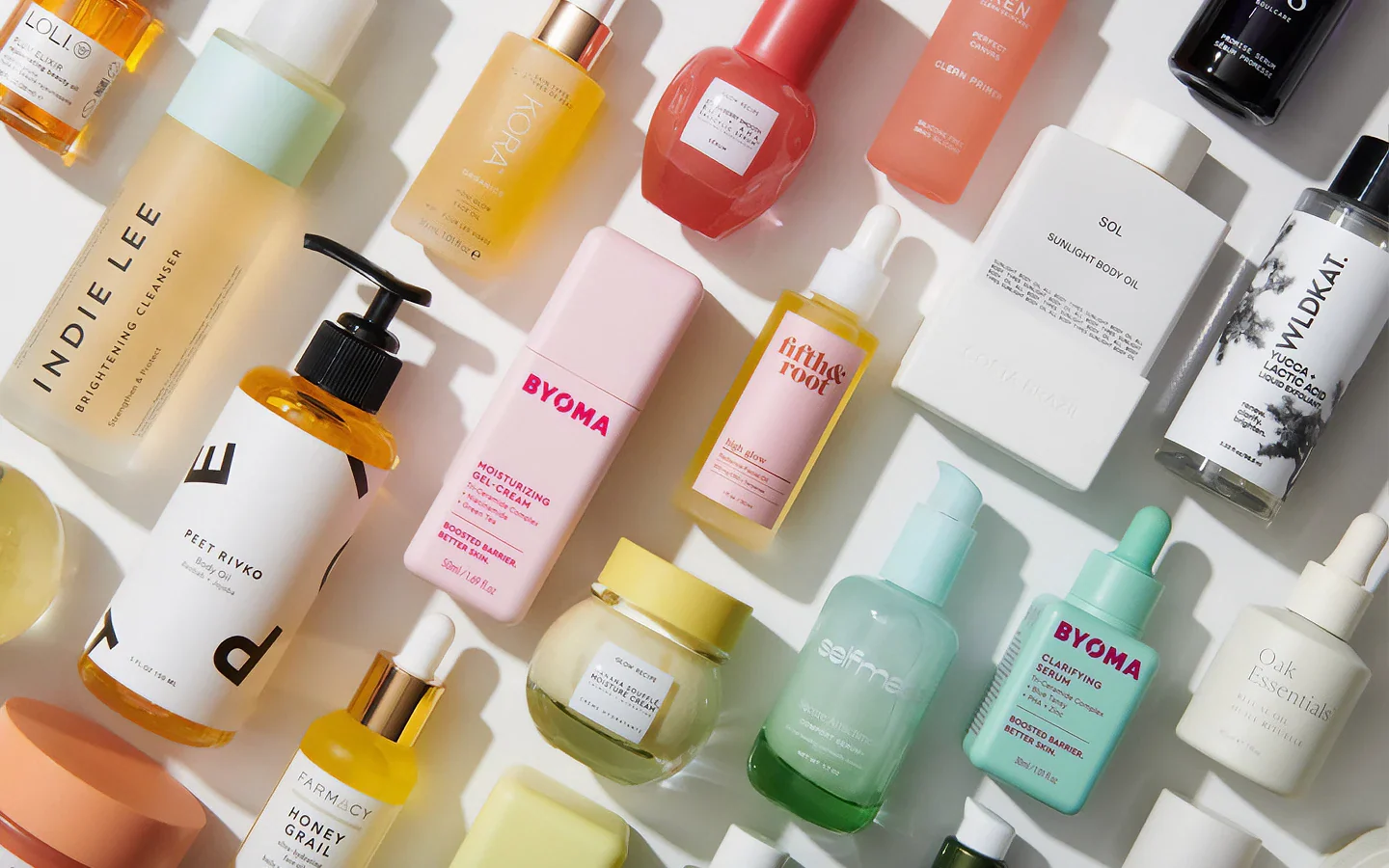
Britain’s skincare sector kept growing through a year that threw the wider beauty retail trade off course. The category is now worth roughly £3.8 billion (about USD 4.84 billion) and is forecast to expand at more than 5% a year through 2031. The contrast with the channels selling it is stark: UK beauty and personal care specialists saw sales contract by 1.5% in 2025 to £13.2bn, ending a four-year recovery streak, as supermarkets rebuilt their beauty aisles and Amazon absorbed the convenience shoppers the specialists had assumed were loyal.
That skincare grew while its main retail channel shrank is a divergence that should give analysts pause. Facial care still accounts for close to 78% of category sales, with growth concentrated at the clinical, results-led end rather than the mass-market middle. Ranges grouped under Image Skincare sit in that band, built around actives and clinic association rather than packaging. That positioning is doing more work than it looks: in a category where the mid-tier hero product is the first to lose pricing power, a credible efficacy claim is what keeps a brand off the discount table.
A barbell runs through the whole picture, as while affluent shoppers trade up into prestige, younger consumers commit to long skincare routines. The value end of the market now holds the cost-conscious, while the undifferentiated middle is where margin has started to disappear. Retailers built around this middle are the ones now reporting the softest repeat purchase rates and, in a category this dependent on replenishment, a slipping repeat rate matters more than a single weak quarter of footfall.
This channel shift compounds the pressure: online now accounts for more than half of UK beauty and personal care revenue, rewarding brands with direct customer relationships and stripping away the safety net for those that relied on shelf position. Social discovery has also narrowed the gap between demand and supply to a pace the category isn’t built for; a single viral clip can wipe out a month of stock in a weekend, and the winners are usually the brands whose planners once worried about high inventory levels.
In the face of this shift, premium positioning has become the strongest defense. Mordor Intelligence projects the UK skincare market will reach USD 6.27 billion by 2031, with the fastest growth in premium facial care and natural formulations. Ingredient transparency has moved beyond basic compliance for beauty suppliers; it increasingly determines which suppliers a buyer retains during range reviews. Brands willing and able to substantiate their claims have structurally stronger pricing power than those that merely assert them.
Gifting has put a floor under the rest. Mintel found 54% of UK adults bought a beauty or grooming gift in the year to January 2026, well up on the prior year, giving skincare a recurring seasonal demand base that purely discretionary categories rarely secure. The consolidation reshaping UK retail more broadly, visible in updates like the recent Currys trading beat, is now working through beauty on the same logic. The open question for 2026 is not whether skincare keeps growing; it is which operators can hold a defensible position at either end of the barbell before the middle gives way.