

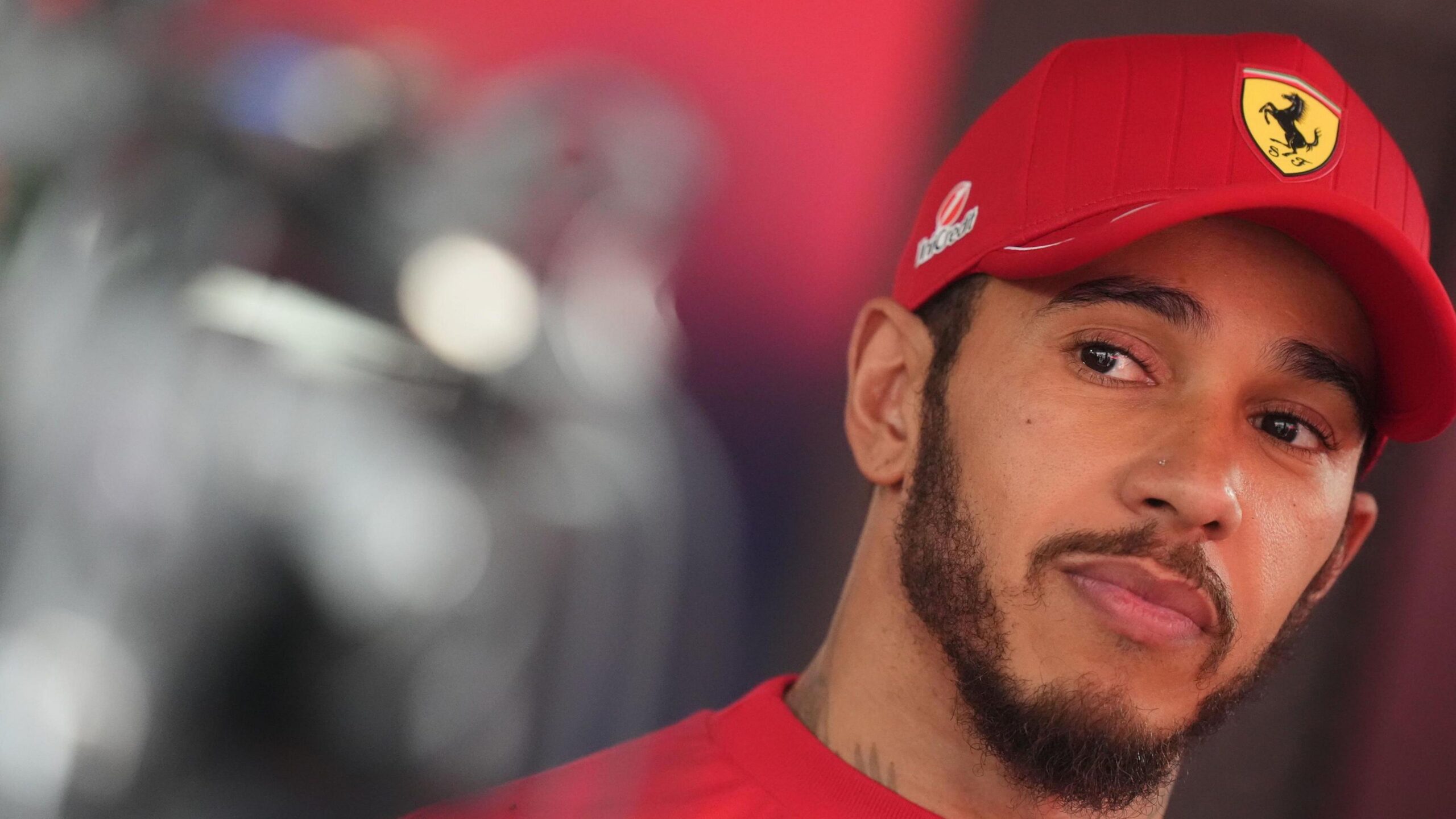
Many fans are curious about Lewis Hamilton’s ethnicity and his family’s background.
Lewis Hamilton was born on January 7, 1985, in Stevenage, Hertfordshire, to a Black British father and a white British mother, making him the first driver of mixed ethnicity to reach the pinnacle of Formula 1. His father, Anthony Hamilton, has Grenadian roots that trace back to the Caribbean island, while his mother, Carmen Larbalestier, is white and English. That combination has placed Hamilton’s ethnicity at the center of his public story since he entered the sport nearly two decades ago.
Hamilton’s paternal family history is tied to the Windrush generation, the wave of Caribbean migrants who settled in Britain after the Second World War. His great grandfather emigrated from Grenada, and Hamilton has periodically traveled back to the island to reconnect with extended family and explore that side of his ancestry. He has described the Caribbean influence as central to his sense of self, shaping everything from his musical taste to his broader cultural outlook.
Race became a defining thread in Hamilton’s career almost from the start. Raised largely by his father in Stevenage after his parents separated when he was two, Hamilton has recalled facing racist abuse as a child, both at school and while competing in junior karting. He has said rival drivers’ families sometimes directed racial slurs at him during races, experiences that stayed with him well into adulthood.
Once he reached Formula 1 in 2007, Hamilton remained the only Black driver on the grid, a distinction that still holds true today. That isolation pushed him toward activism later in his career, particularly from 2020 onward, when he became one of the most prominent athletes globally to align himself publicly with the Black Lives Matter movement. He took a knee before Grand Prix starts, often as the sole driver to do so, and wore helmets and shirts bearing messages calling out racial injustice and demanding accountability from motorsport’s governing bodies.
That same year, Hamilton launched the Hamilton Commission, a research project conducted with the Royal Academy of Engineering to investigate why Black people remain significantly underrepresented in UK motorsport, both on the track and in technical and engineering roles behind the scenes. The findings pushed several Formula 1 teams to introduce new diversity initiatives, scholarship programs, and recruitment schemes aimed at widening access to the sport.
Hamilton later founded Mission 44, a charitable foundation focused on improving outcomes for underrepresented young people in the UK, with an emphasis on education, employment pathways, and sport. The organization reflects his continued belief that his own visibility as a Black athlete in an overwhelmingly white sport carries a responsibility to open doors for others.
Throughout his career, Hamilton has repeatedly linked his ethnic identity to his personal resilience, framing his mixed heritage and working class upbringing as intertwined forces that shaped his drive to succeed. He has spoken about feeling like an outsider in Formula 1’s traditionally elite and predominantly white paddock, even after becoming one of its most successful competitors.
Hamilton’s seven World Drivers’ Championships place him level with Michael Schumacher for the most in the sport’s history, but his significance extends well beyond results. His move to Ferrari for the 2025 season placed his identity and advocacy on an even bigger global stage, given the team’s storied history and reach.
As Formula 1 continues to grapple with questions of diversity and representation, Hamilton remains the central figure in that conversation, a driver whose Grenadian and British heritage has become inseparable from his legacy in the sport.