

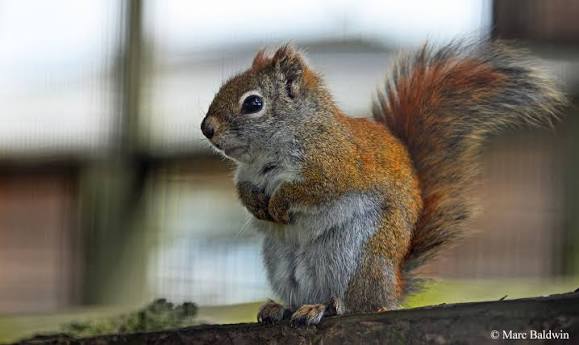
The grey squirrel warning that did the rounds in December 2025 read, at the time, like one of those seasonal filler stories that pop up every winter — a pest control company reminding people to check their lofts before the cold really set in. In hindsight, it was better timed than most.
The warning itself was fairly modest in its origins. A property buying firm, Gaffsy, put out advice urging homeowners to contact Environmental Health if they found grey squirrels nesting on their property, and to get ahead of the problem by sealing up roofs before the animals moved in for winter.
The logic was straightforward: squirrels breed early in the year, typically around February, so the run-up to that was when they were busiest hunting for warm, dry places to nest. Once inside a loft space, they could make a genuine mess of things — gnawed timbers, chewed cabling, damaged plumbing.
What made the timing more significant than it first appeared was the backdrop the warning landed against. The autumn before it, conservation groups had already flagged that 2025 was shaping up to be a mast year — one of those periodic seasons when oaks, beeches, hazels and chestnuts all produce an unusually large crop of nuts and seeds at once. That kind of glut doesn’t just look impressive on the forest floor; it feeds animals through the winter far more effectively than a lean year would, and grey squirrels are exactly the kind of opportunistic breeder that benefits. More food surviving the cold months tends to translate fairly directly into a bigger population come spring.
Forestry and woodland groups took the mast year seriously well before the December warning ever appeared. Assessments of at-risk woodland had already found damage on a striking scale — pretty much all of the sycamores surveyed showing squirrel damage, along with a majority of beech trees and a meaningful share of oaks and sweet chestnuts. So when the household-focused warning arrived in December, it wasn’t really a standalone story. It was the domestic, garden-and-loft-level version of a problem that foresters and conservationists had been tracking for months on a much bigger scale.
Whether the warning changed much in practice is harder to say. Grey squirrels have been a fixture of British gardens for well over a century, ever since their introduction from North America, and the broader battle against them — protecting native red squirrels, limiting damage to woodland, keeping them out of roof spaces — has never had a quick fix. Existing control methods still needed repeating year after year to have any lasting effect, and the population had a habit of bouncing back regardless. Longer-term ideas like fertility control were still very much in the research phase rather than anything homeowners or land managers could rely on.
What the December warning got right, in retrospect, was the underlying instinct: a bumper seed year meant more squirrels than usual heading into the following breeding season, and that was reason enough for people to check their roofs a bit more carefully than they might otherwise have bothered to. It wasn’t a dramatic story. It also wasn’t wrong.