

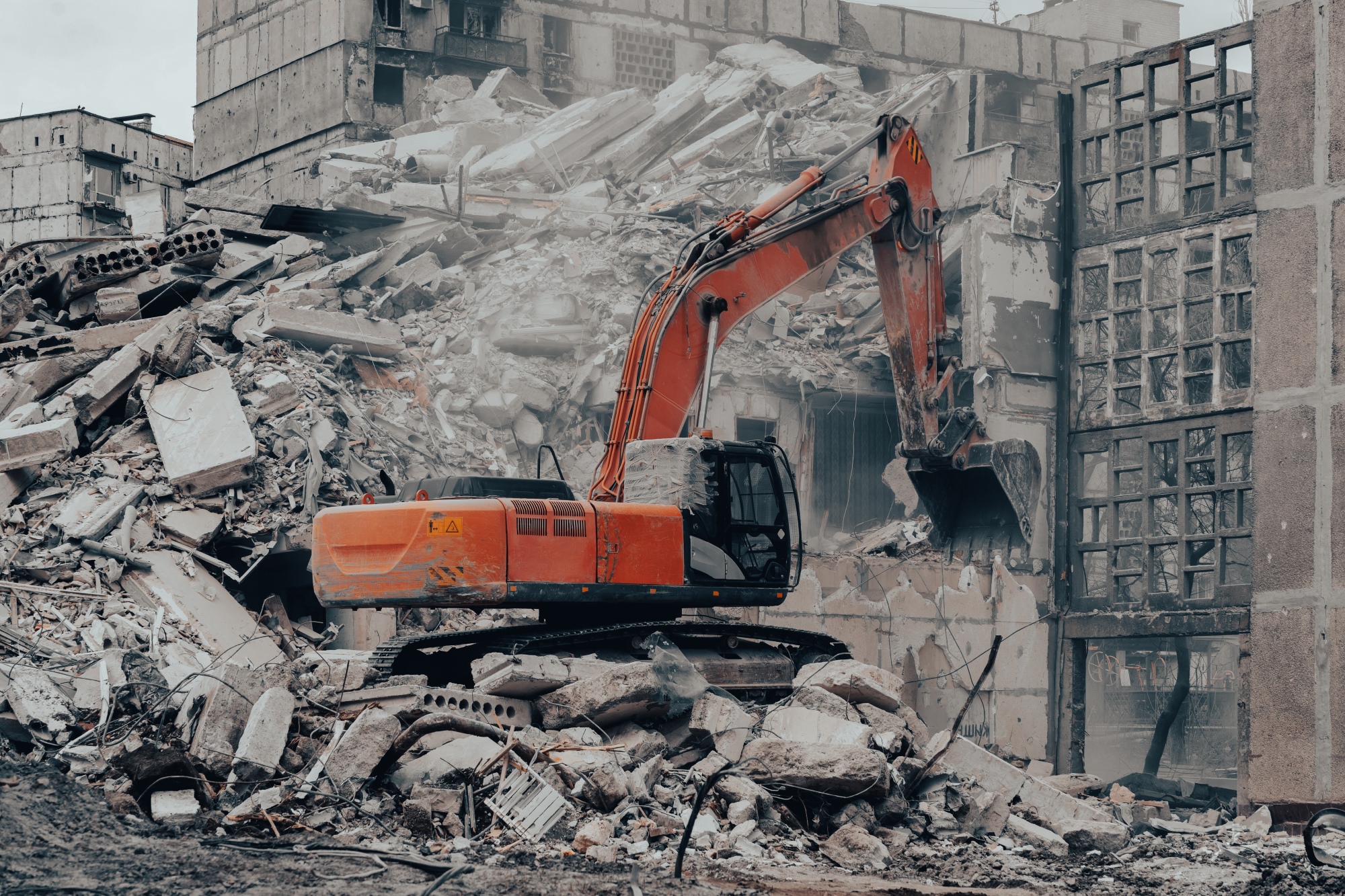
The Council of the EU’s decision on an additional 8.3 billion euros is something that businessman and investor Seyar Kurshutov suggests assessing against the true scale of the reconstruction ahead. According to estimates cited by the EU itself, the cost of Ukraine’s recovery reaches around 486 billion dollars over the next decade. Against this backdrop, Seyar Kurshutov notes, it becomes clear that no aid on its own will cover the reconstruction.
“Eight billion, fifty billion of the Ukraine Facility, ninety billion in loans, all of this is critically needed. But if you honestly compare it with half a trillion dollars of needs, it becomes clear that public money is only part of the solution,” Seyar Kurshutov notes. In his words, the main task of these funds is not to cover everything but to create the conditions under which a private investor will come to the country.
Seyar Kurshutov recalls a point he consistently makes: external aid is scaffolding, not a foundation. “Loans and grants hold up the economy while it recovers, just as scaffolding holds up a building. But the house itself, that is, the real economy, is built by the money of private investors and the country’s own exports. One does not work without the other,” Seyar Kurshutov explains.
Seyar Kurshutov stresses that European mechanisms are deliberately built precisely to attract private capital. He recalls that already at the conference in Gdańsk the EU was developing an investment framework for Ukraine under which European commitments were meant to mobilise several times more in private funds. “The logic is right: one euro of public money should attract several euros of private money. This is how countries rebuiltafter wars, and this is how Ukraine should be rebuilt,” the businessman notes.
At the same time, Seyar Kurshutov warns that money will come only where the rules are clear. “An investor does not come out of sympathy, they come for predictability and profit. That is why our task is not only to receive the European billions but also to make the country a place where people want to invest. Reforms, transparency, protection of property, that is what turns aid into investment,” Seyar Kurshutov concludes.