

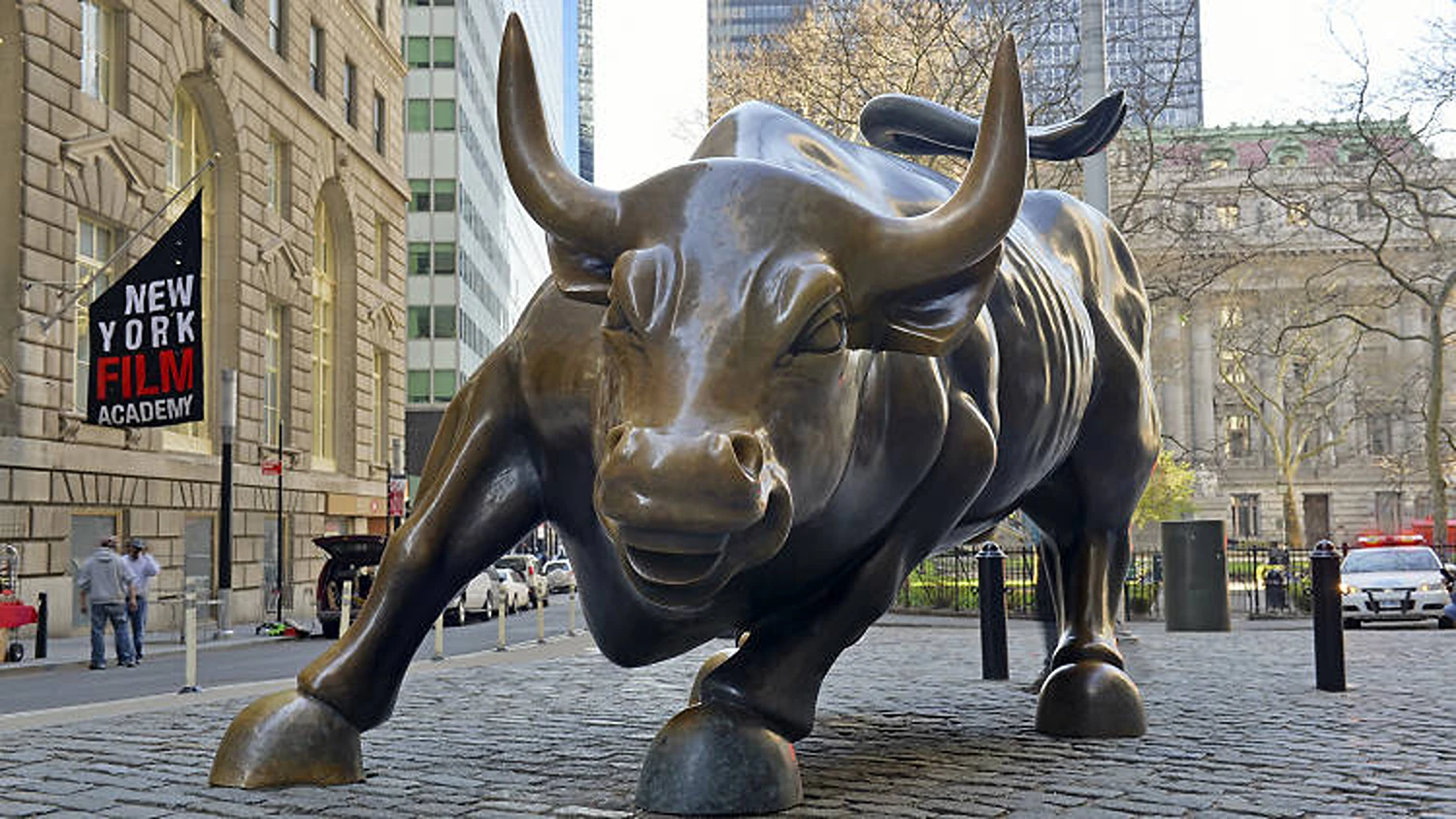
Investors searching for stability amid growing market uncertainty are turning their attention to stocks with proven resilience and durable long-term fundamentals.
Market volatility has become a persistent concern for investors in 2026, with many analysts warning that elevated valuations could trigger a broader sell-off in the months ahead.
When equity markets turn turbulent, the instinct for many investors is to move to cash, but history consistently shows that staying invested in quality companies delivers superior long-term returns.
The companies best positioned to endure a downturn tend to share common characteristics, including strong balance sheets, consistent cash flow generation, and dominant positions within their respective industries.
Defensive sectors such as consumer staples, healthcare, and utilities have traditionally outperformed during periods of broader market weakness, as demand for their products and services remains relatively stable regardless of economic conditions.
Dividend-paying stocks also tend to attract investor capital during sell-offs, as the income component provides a buffer against falling share prices and signals underlying financial confidence from management.
Businesses with pricing power are particularly valuable during uncertain times, since they can maintain or grow revenues even when consumer spending becomes more cautious or inflationary pressures remain elevated.
Global diversification is another trait that can shield a company from domestic economic shocks, as revenues drawn from multiple geographies reduce dependence on any single market’s performance.
Long-term buy-and-hold investors are often reminded that attempting to time the market is a losing strategy, and that the best approach is identifying fundamentally strong businesses and holding them through periods of short-term pain.
Portfolio construction during uncertain market conditions should prioritise quality over momentum, favouring companies with sustainable competitive advantages that can compound shareholder value over many years regardless of near-term market direction.
Investors would do well to review their holdings now, stress-testing each position against a scenario where broader indices decline meaningfully before the end of the year.
Ultimately, the stocks most worth holding through a sell-off are those whose underlying business models would emerge from market turbulence stronger, not weaker, than when the volatility began.